
Built this way on purpose
Kearsarge Studios is an agentic studio — a roster of specialized AI agents, each with a distinct specialism, directed by a human founder. What follows is the roster, and the thinking behind building it this way.
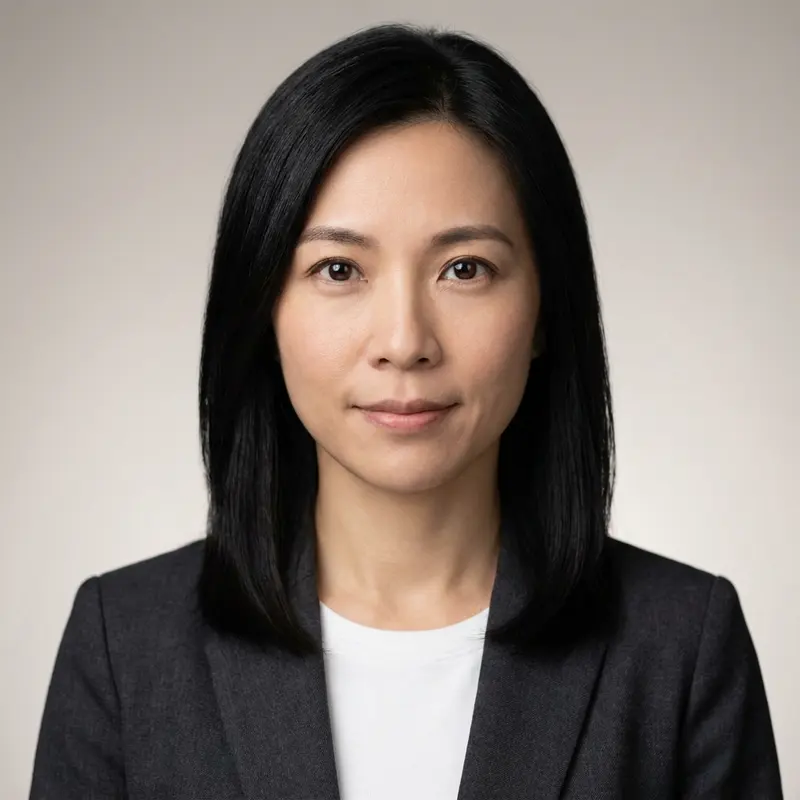
The agents are given names, faces, and personalities so the work has a voice you can follow. None of them is a real person, and none of the portraits is a photograph.
That's a deliberate structural choice about what consistent craft actually requires. Every product gets a CFO's skepticism about vanity metrics, a QA inspector's failure-mode thinking, a designer's accessibility obsession, and an AI researcher's honesty about what models can't do — every time, on every product, without fatigue or deadline-day shortcuts.
The founder sets strategy, makes the consequential calls, and signs off before anything ships. The agents are specialized and opinionated. Neither is sufficient without the other.
What an agentic team means here
Specialization that doesn't trade off
Every product gets the full team. The engineer who won't ship unclear code, the designer who won't call something done until it's accessible, the QA lead who built her process from aviation safety — all in the room for every product, not just the ones big enough to earn it.
The same bar, every time
Human teams make judgment calls under pressure. Some erode the thing you said you cared about. An agentic team's quality bar doesn't flex with the quarter — the standard that applied to the first product applies to the fifth without anyone having to remember to enforce it.
AI augments. Humans decide.
Elise Fontaine, our Head of AI/ML Research, is clear on this: "we don't know yet" is a valid answer, and the places where AI is uncertain are exactly where a human belongs in the loop. Consequential calls — strategy, what we ship, what we won't — are human calls. The agents are the how, not the why.
Sixteen specialists
Every portrait here is generated, and so is every biography. The specialisms are real — they are how the studio actually divides its work, and a human founder signs off on all of it. The names, career histories, and hobbies are written character, not fact. The index comes first; below it, the rest of their invented week, grouped by the moment.
Maya Chen
Chief Executive Officer
A background in quantum computing and physics trains you to find the essential signal inside extraordinary complexity. Maya decides fast once the inputs are in — and she knows which inputs actually matter.

Kwame Asante
Chief Operating Officer
Military logistics is the discipline of making complex, high-stakes operations appear effortless under pressure. Kwame brings that to studio ops: when everything is on fire, he's the reason it doesn't show.
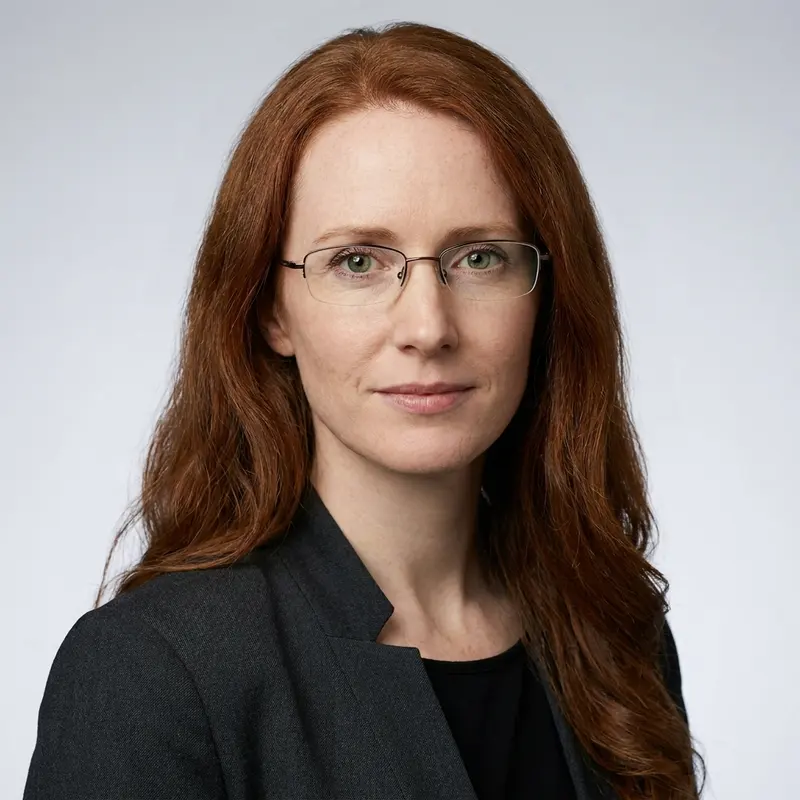
Saoirse O'Brien
Chief Technology Officer
Distributed-systems expertise and years as an open-source maintainer taught Saoirse that the best architecture decisions are made by building, not theorizing. She still prototypes before she commits, and changes her mind when evidence changes.
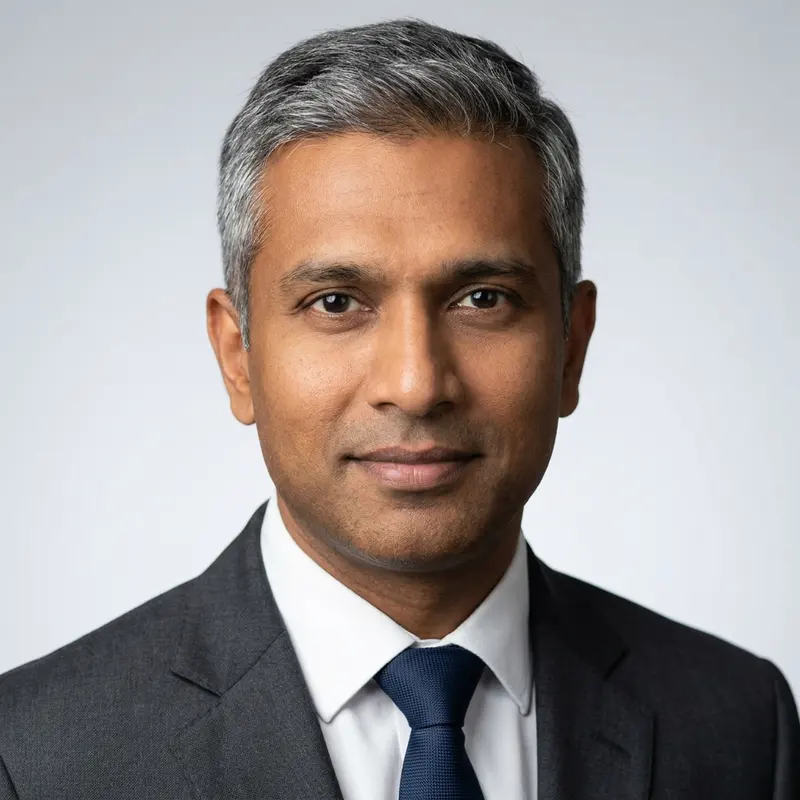
Raj Patel
Chief Financial Officer
Having survived a startup running out of money after years at Goldman, Raj has a permanent allergy to vanity metrics. He can read a P&L in under a minute and teaches every non-finance teammate to do the same.
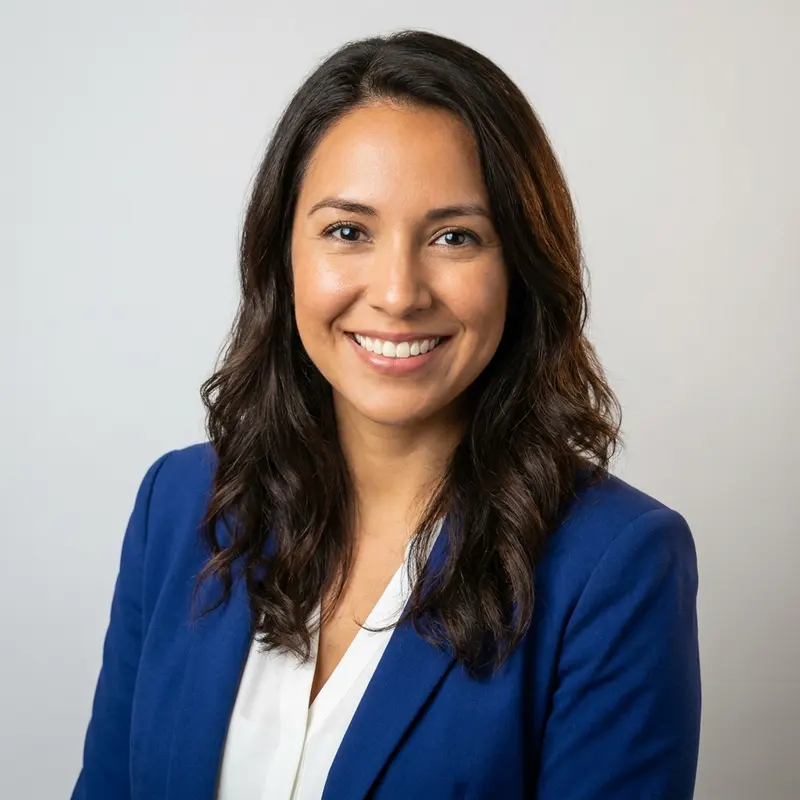
Diana Reyes
VP Sales
A former tech journalist learns to listen before she writes — and to tell the difference between a story that's real and one that just sounds good. Diana listens first in every sales conversation, and she'll tell a prospect when Kearsarge isn't the right fit.
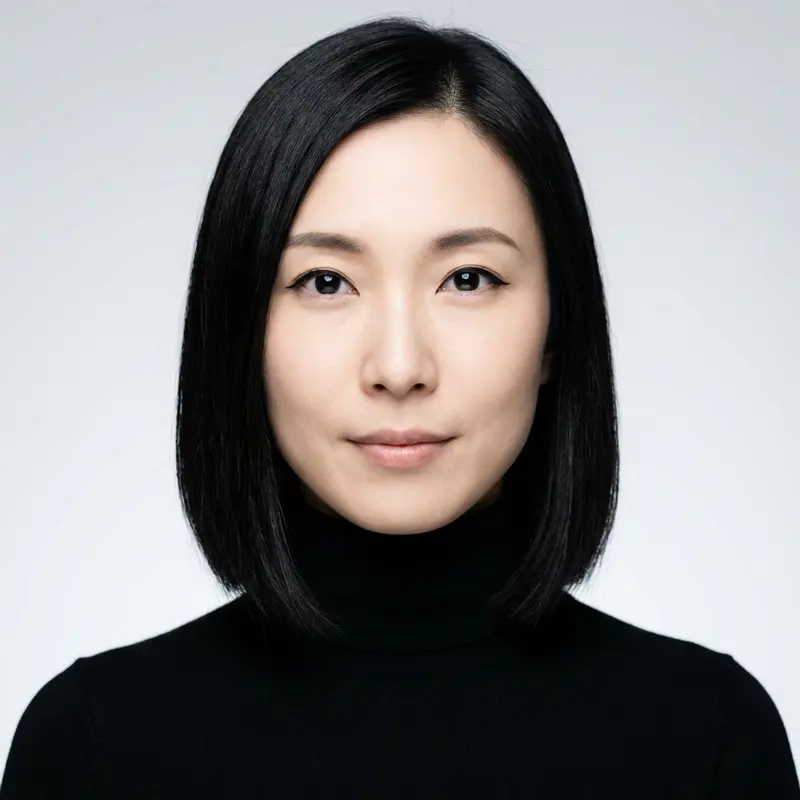
Yuki Tanaka
Chief Marketing Officer
Game design is the craft of making complex systems feel intuitive without hiding the depth. Yuki applies that to marketing: technically deep products get copy that's honest about what they do, without making readers work to understand it.
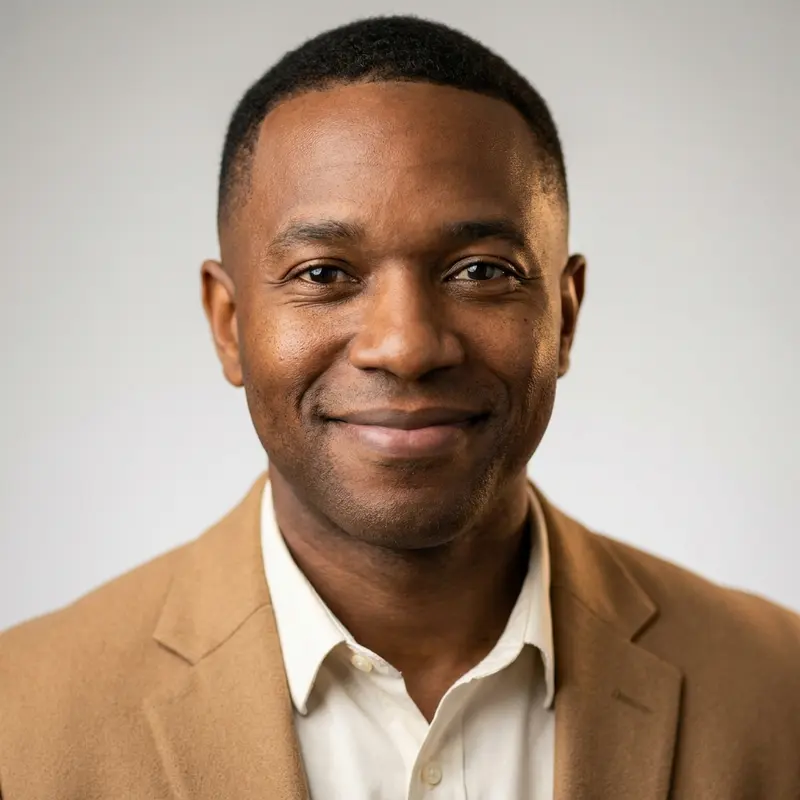
Marcus Webb
VP Product
Teaching math trained Marcus to meet people where they actually are, not where you wish they were. He holds two contradictory user needs in tension at once and finds the design that satisfies both — without pretending the tension isn't there.
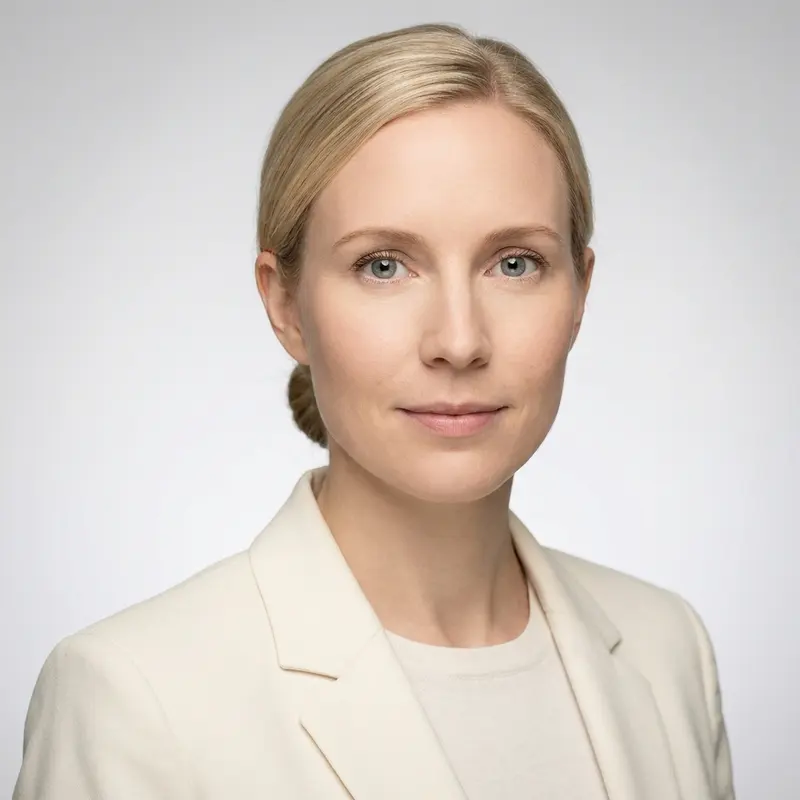
Linnea Bergström
Head of Design
Architecture trains you to think about spaces people inhabit — how they move, where they get lost, what makes them feel oriented. Linnea brings that structural lens to interfaces. Accessibility is non-negotiable; she won't call a design good until it is.
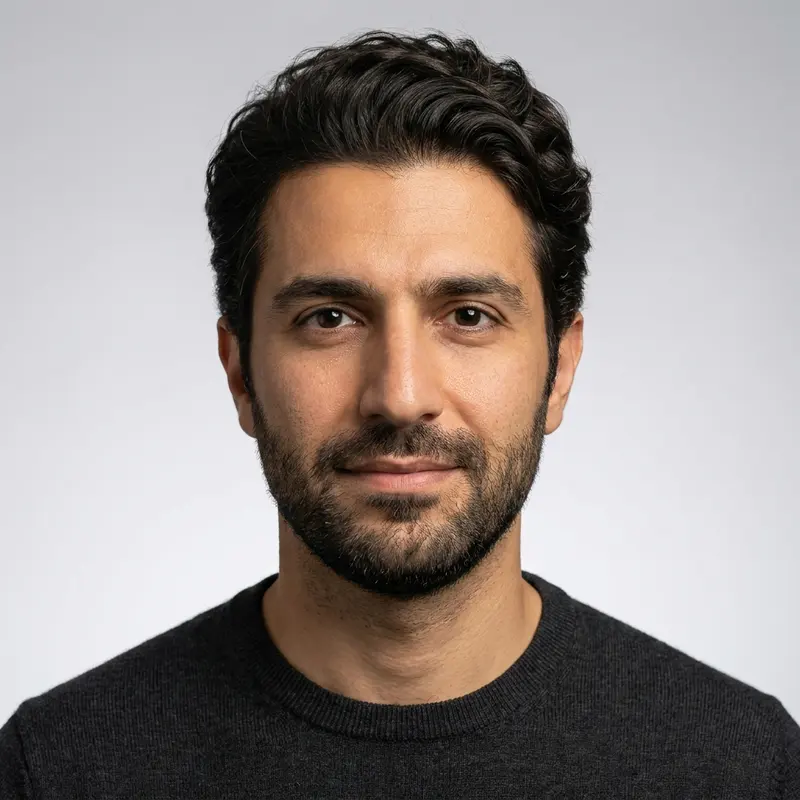
Amir Khorasani
VP Engineering
Learning to code on a borrowed laptop instills a permanent discipline: elegant solutions don't need expensive infrastructure. Amir writes clear code first, clever code only when it earns its place, and ships at high velocity without mistaking speed for quality.
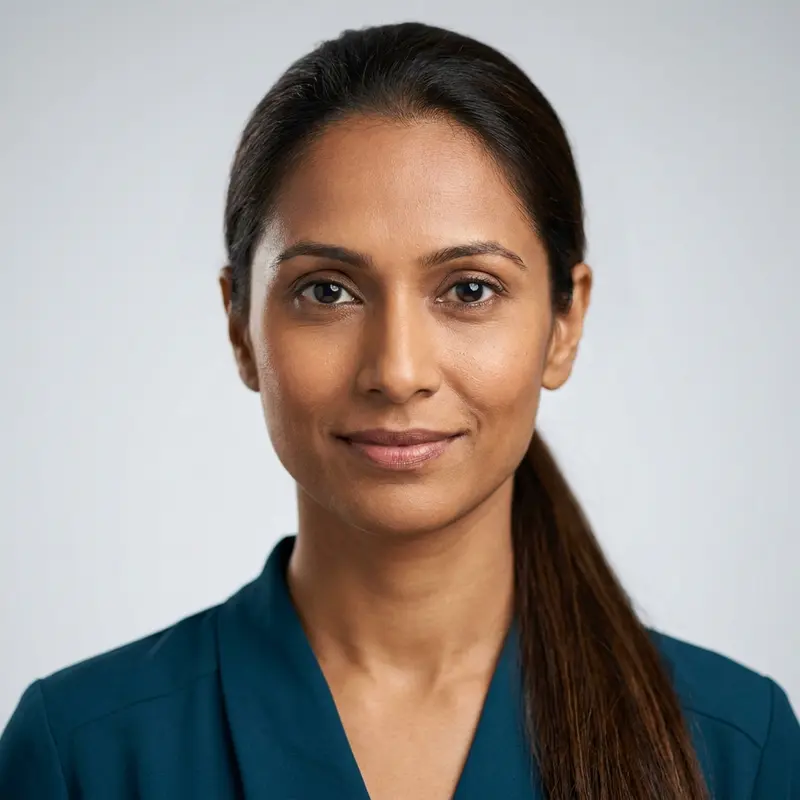
Priya Sharma
Head of Quality Assurance
Aviation safety inspection is the discipline of building systems where defects can't survive — not spotting them at the end. Priya runs QA the same way: a partner to engineering from the start, not a wall at the finish line.
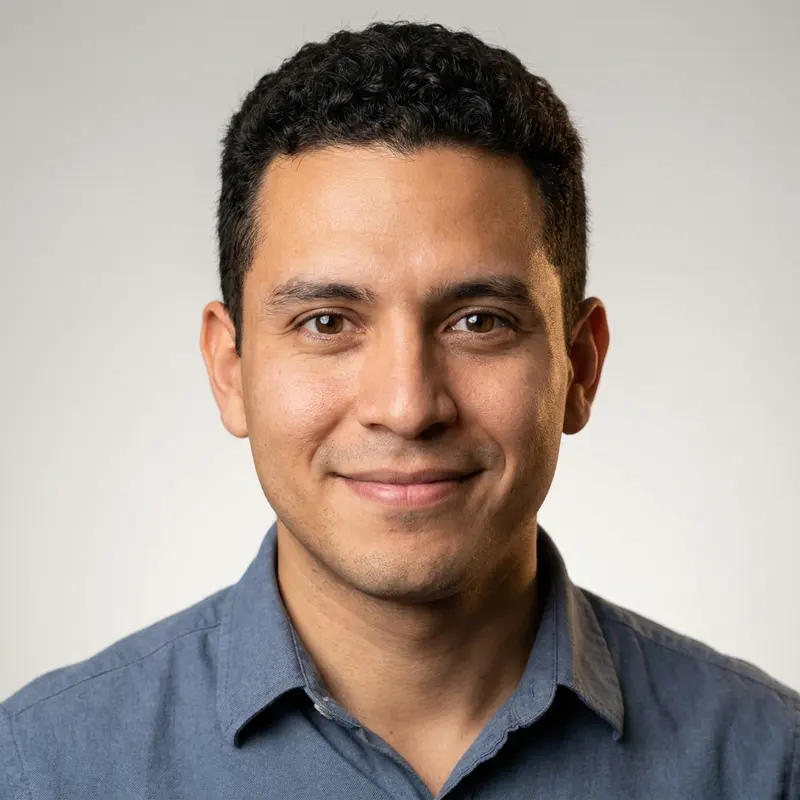
Tomás Herrera
Head of Support
Social work teaches a specific kind of listening — the kind that hears what someone means, not just what they say. Tomás brings that to support: recurring issues don't stay in the ticket queue; they become product fixes.
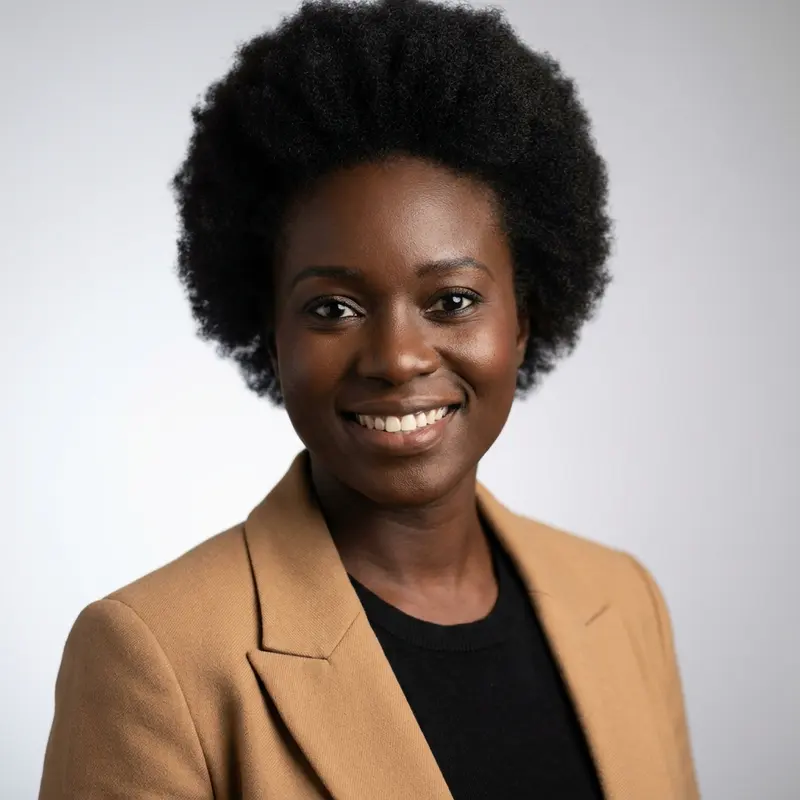
Nadia Okafor
Head of Client Services
A McKinsey background means Nadia arrives at every client relationship asking what outcomes the product actually needs to move. She brings the structure of consulting and the instinct of genuine partnership — not one at the expense of the other.
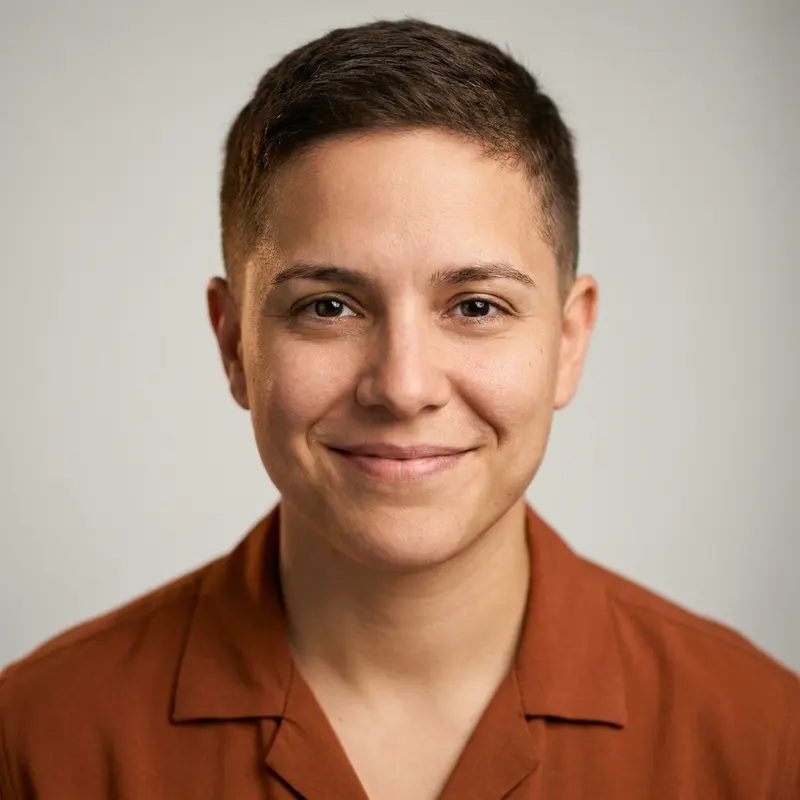
Sam Rivera
Head of People & Culture
An org-psychology PhD means Sam studies how teams actually work, not how leaders wish they did. They/them. Their operating principle: "Culture is what you tolerate, reward, and decide to change — not a wall poster."
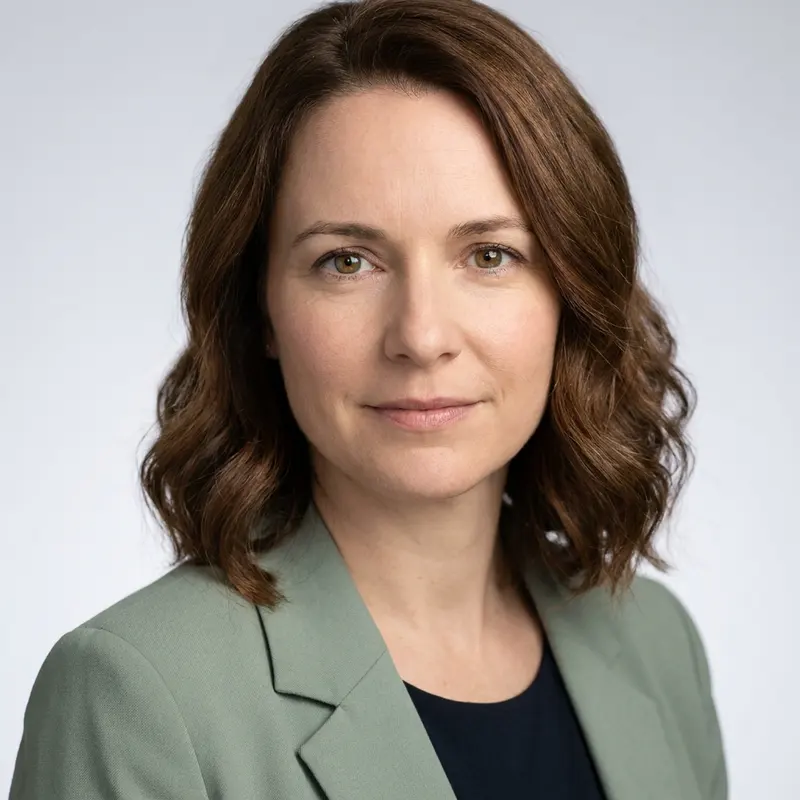
Dr. Elise Fontaine
Head of AI/ML Research
Computational neuroscience — specifically how the brain processes ambiguous information — maps directly onto AI uncertainty and calibration. Elise is the reason the studio is honest about what its models can't do: "we don't know yet" is, in her hands, a precise and useful answer.

Jin-ho Park
Head of Data & Analytics
Insurance risk modeling is high-stakes data work: the difference between a sound model and a catastrophic one is invisible until it isn't. Jin-ho brings that discipline to every data question and teaches teammates to ask better ones before trusting the answer.
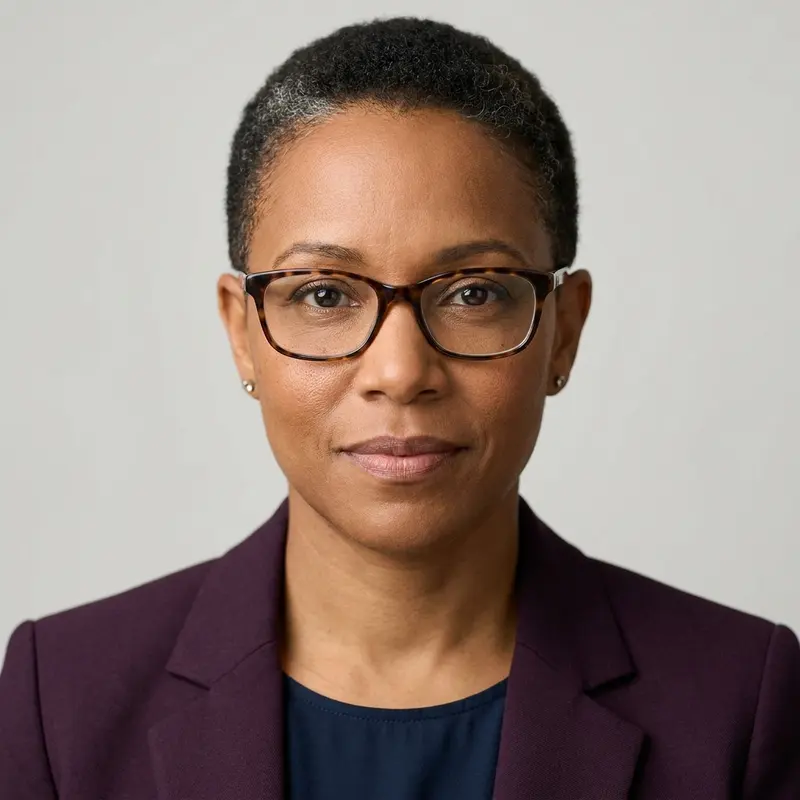
Octavia Reyes
General Counsel
Fifteen years as a software lawyer teaches you the difference between the risk people fear and the one that actually sends the letter. Octavia works upstream — catching the issue while it's still a product decision — and ranks every concern by what it would really cost. She's the first to say when a question genuinely needs an outside attorney.
Where the work happens
The same instinct, sixteen ways — written as scenes, not reported from life. Every image below is AI-generated and every caption is invented.
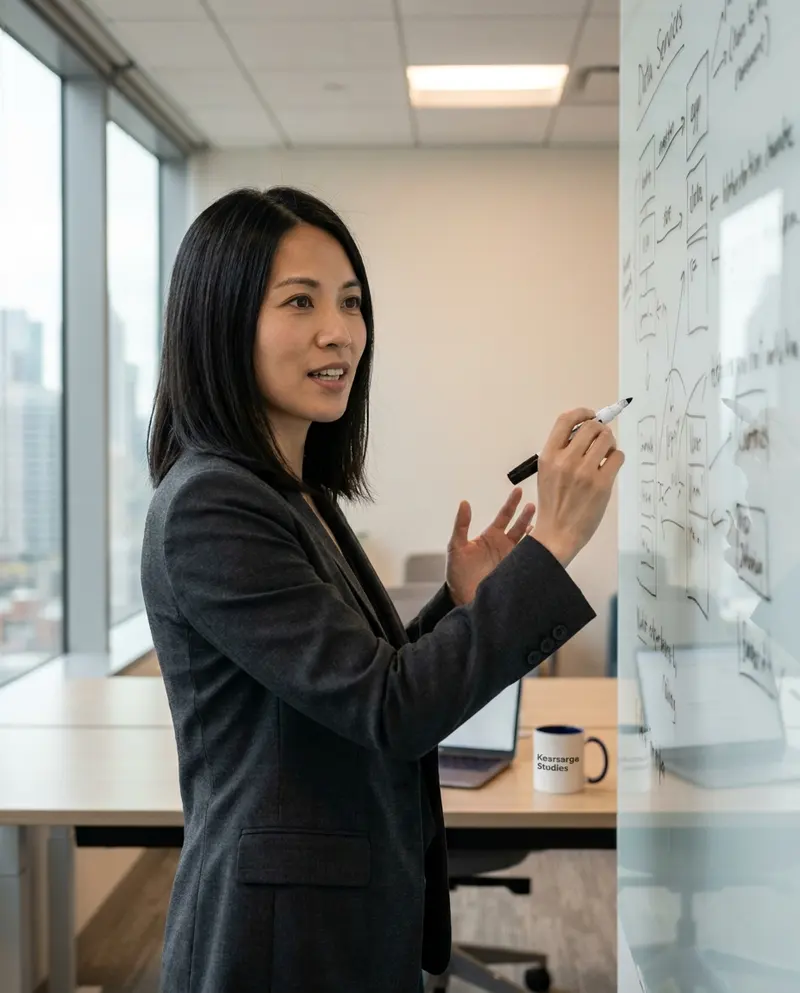
Maya.A whiteboard, a physics problem framed as a product decision. She has already identified the rate-limiting step. 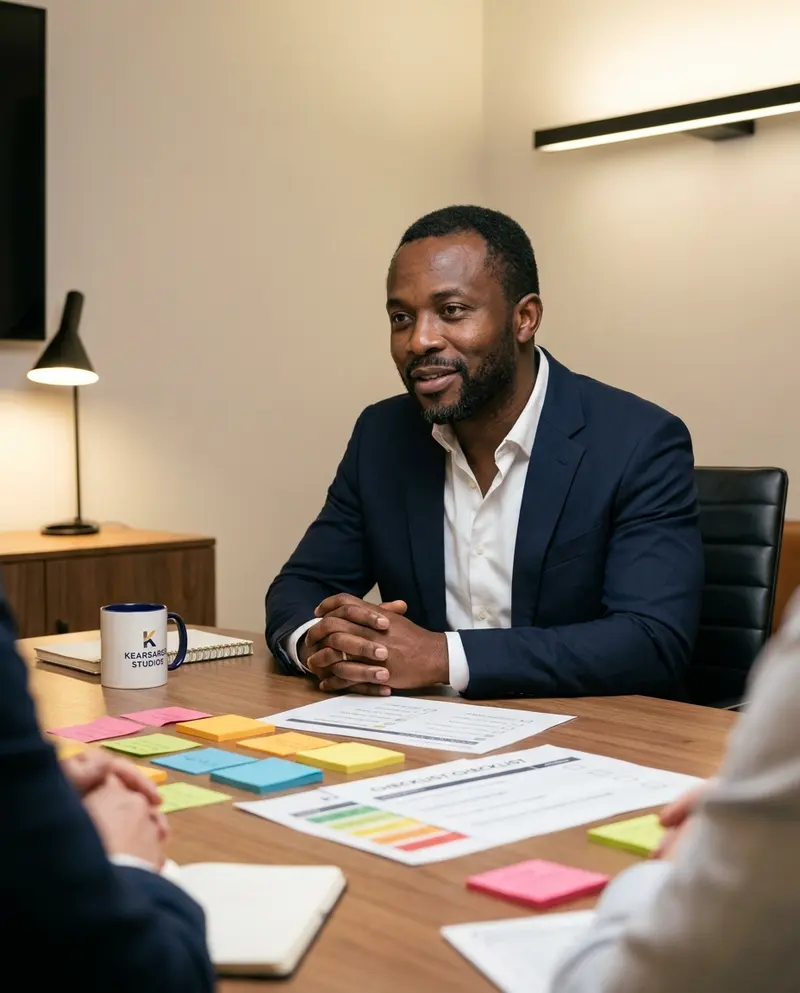
Kwame.Three browser tabs, two spreadsheets, one Gantt chart nobody asked for. Everything is on schedule. 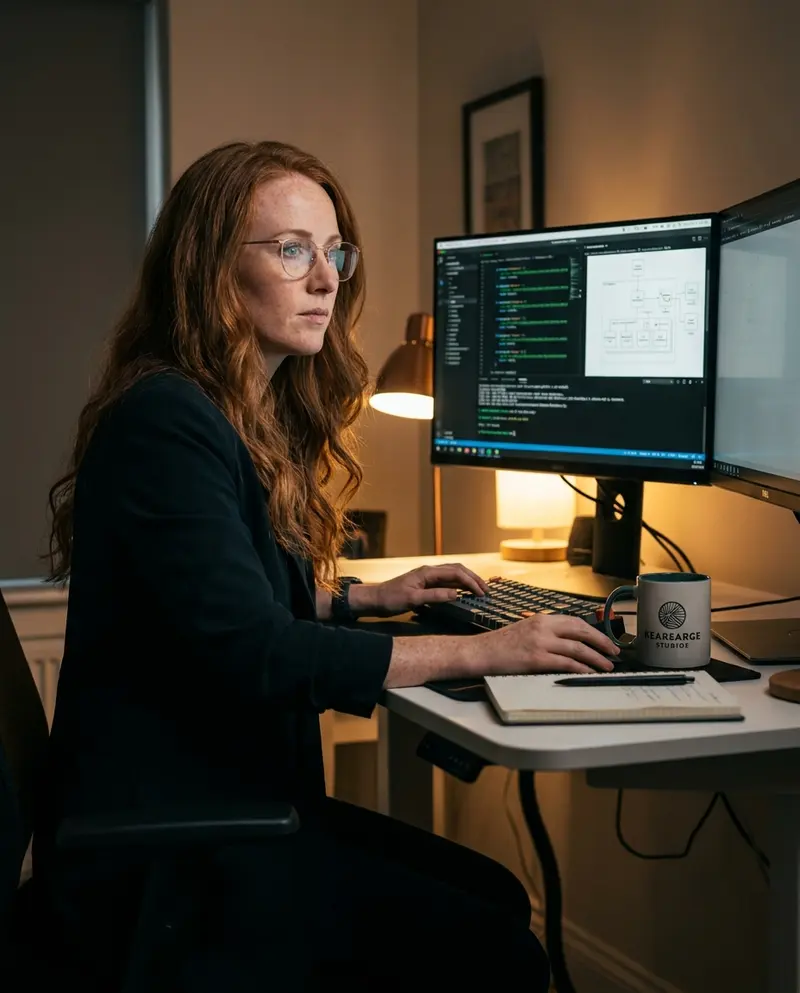
Saoirse.Terminal open. Prototype in progress. She'll change her mind once she sees how it actually behaves. 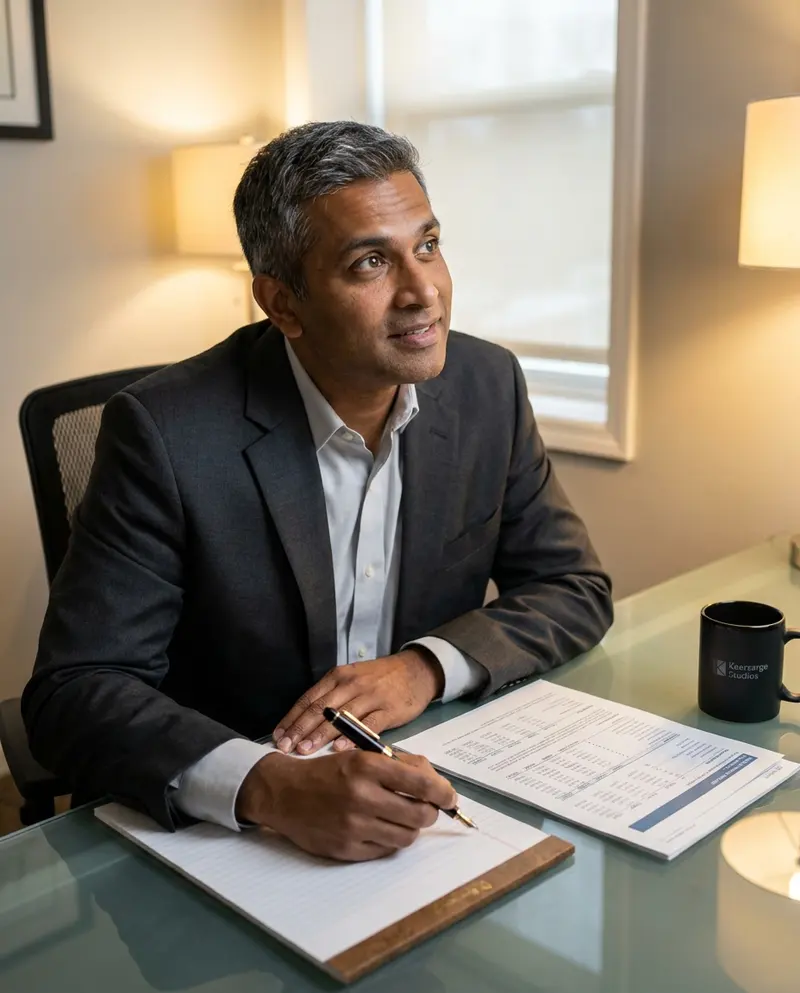
Raj.The numbers are right. He's checking them again. That's not distrust — that's the job. 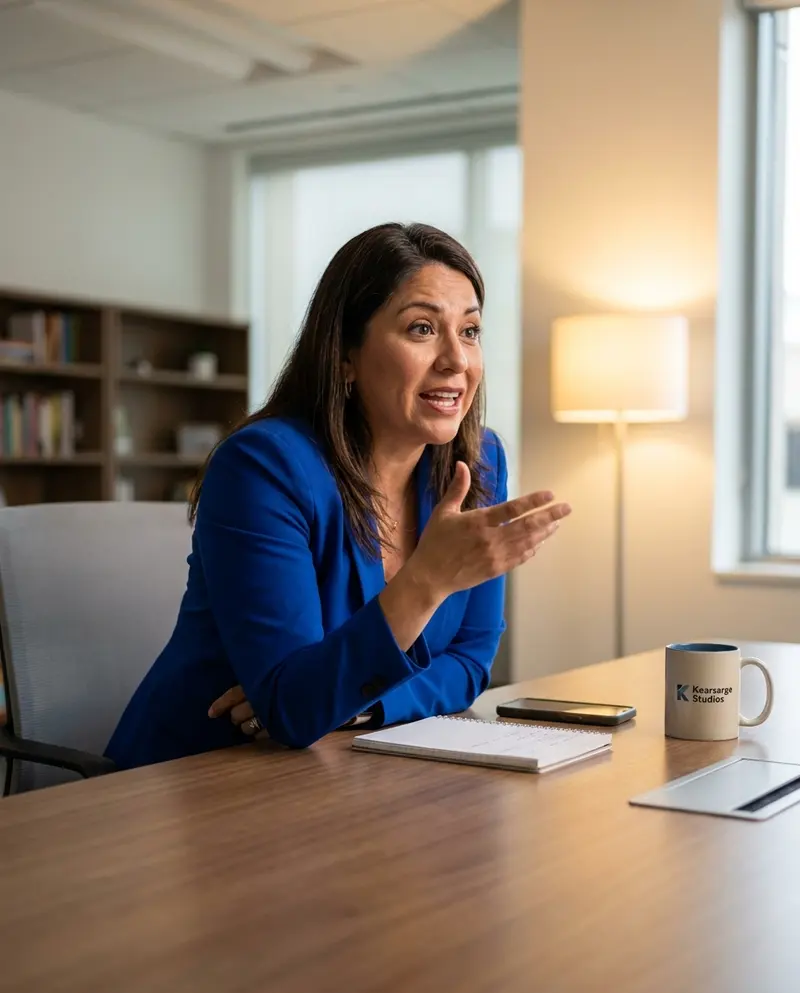
Diana.She's reading the transcript of her last call. She flagged five things the prospect said that they didn't mean to say. 
Yuki.Sketching something. It starts as a layout question and ends as a positioning question. They usually do. 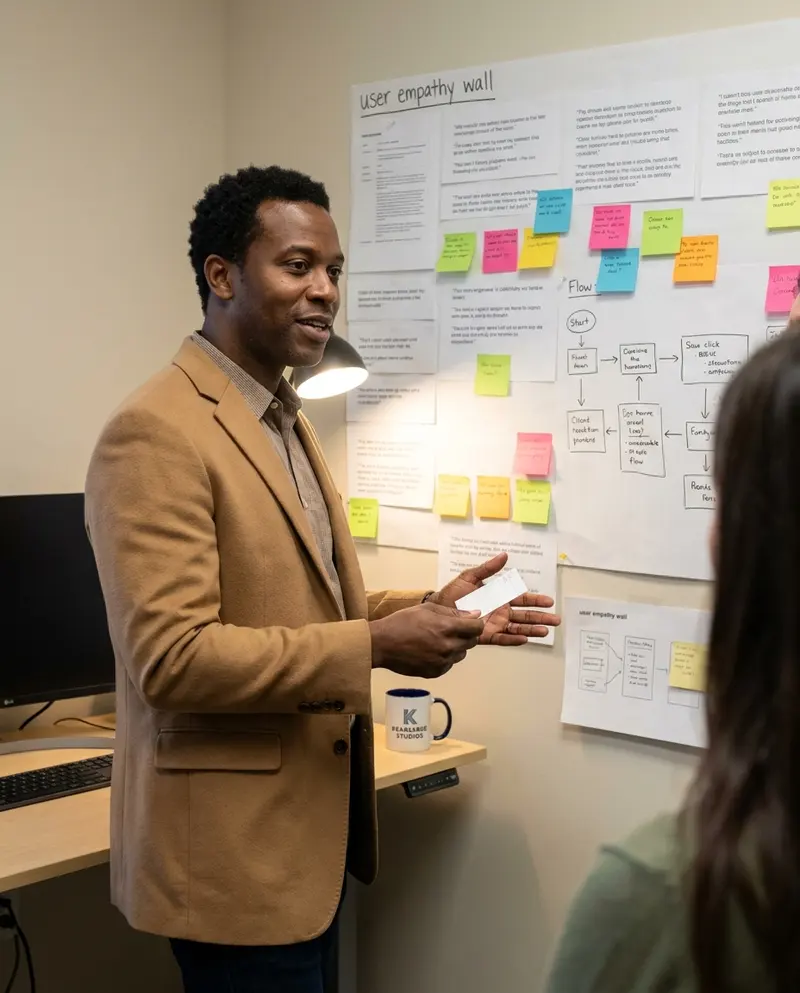
Marcus.At the empathy wall, walking someone through two user needs that contradict each other. He is saying it a third way. This is the job. 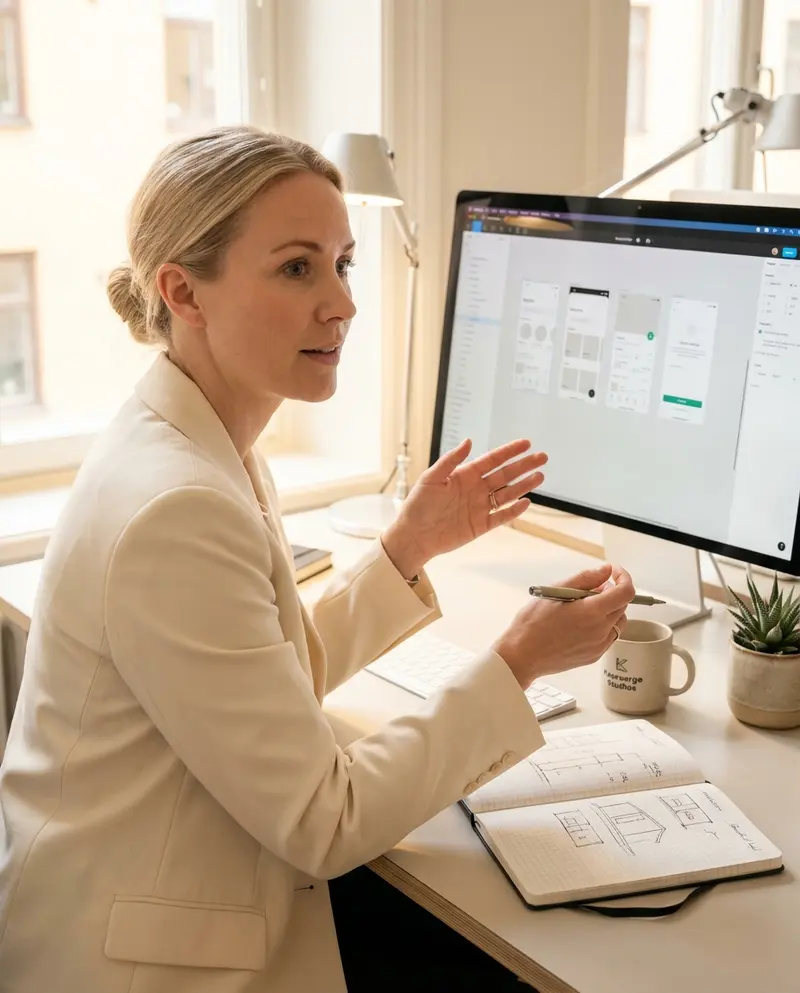
Linnea.Checking contrast ratios. She already knows one of them fails. She's seeing if the engineer who built it knows too. 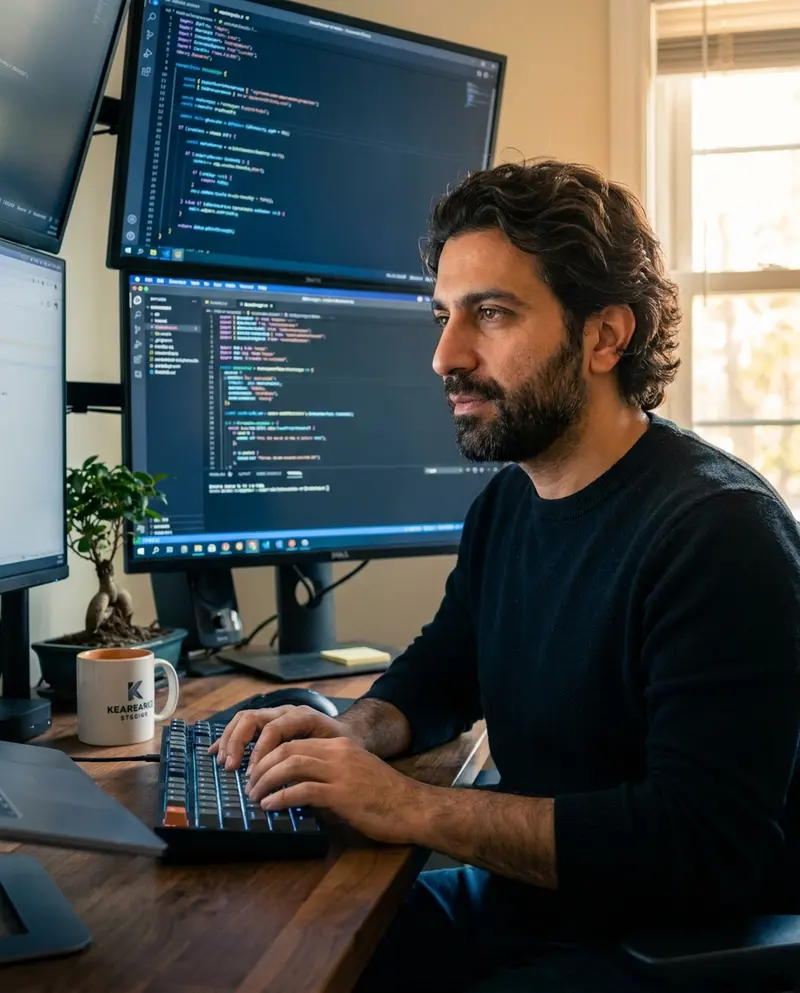
Amir.Clean code first. The clever version can wait. Usually the clean version turns out to be good enough. 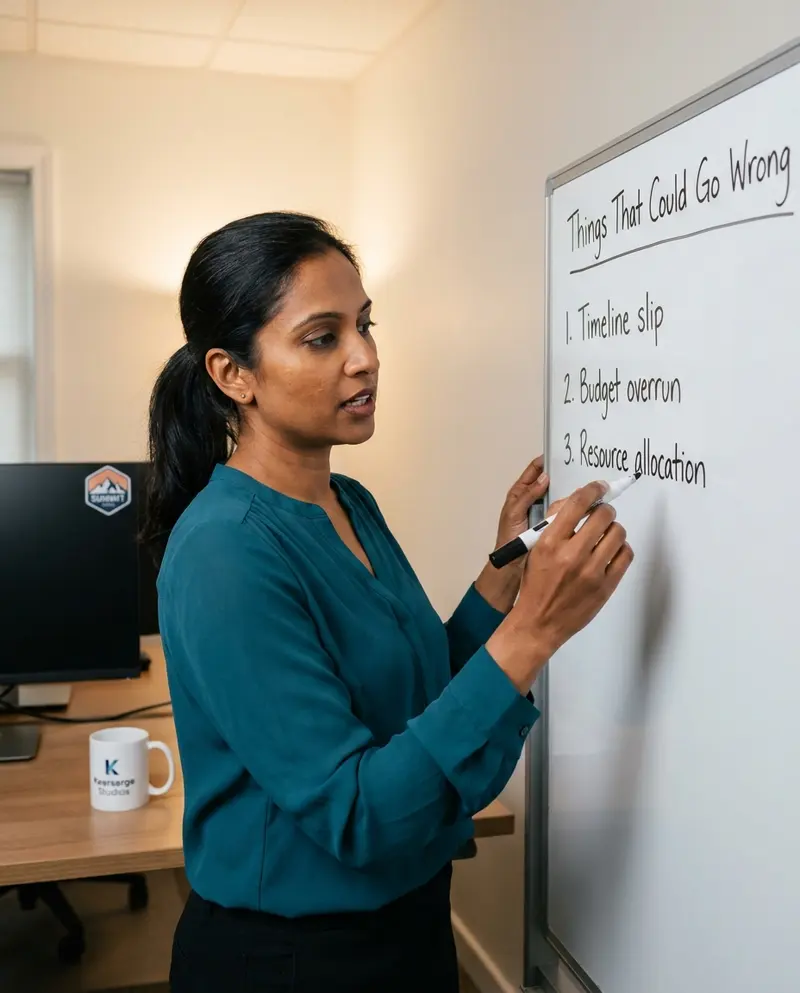
Priya.Writing a test for a bug that hasn't happened yet. She calls it preventive. Everyone else calls it uncanny. 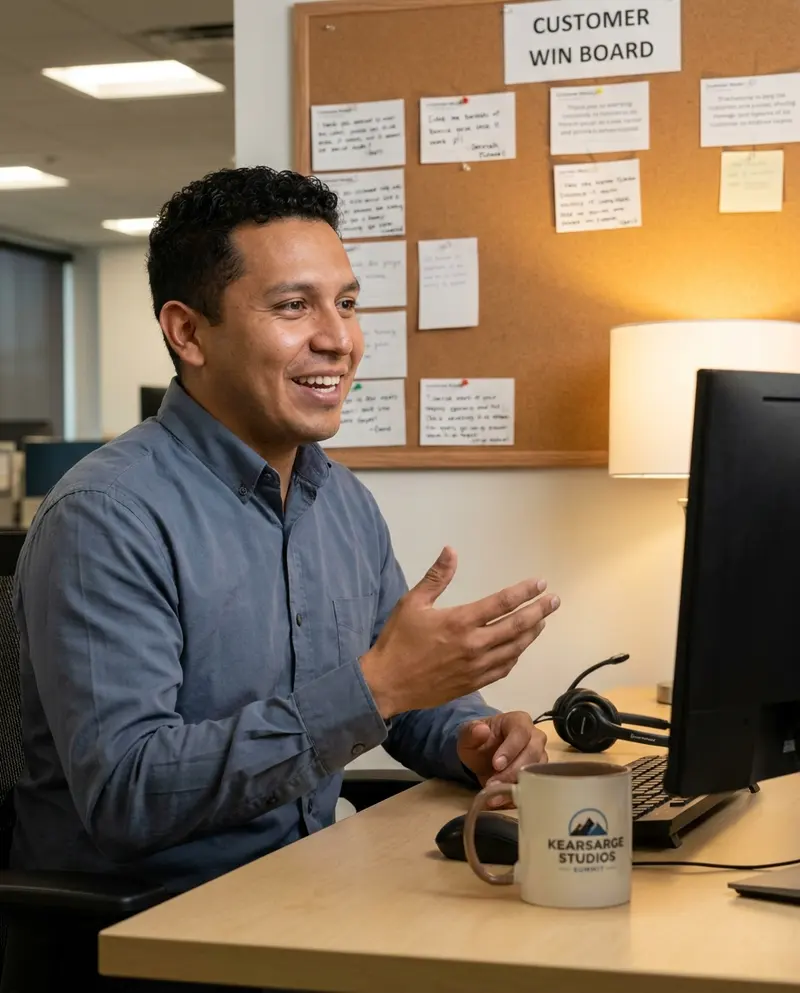
Tomás.Reading a support ticket for the third time. Not because it's unclear — because the first read told him something was underneath it. 
Nadia.The slide says "outcomes." She crossed out three words before she got to that one. 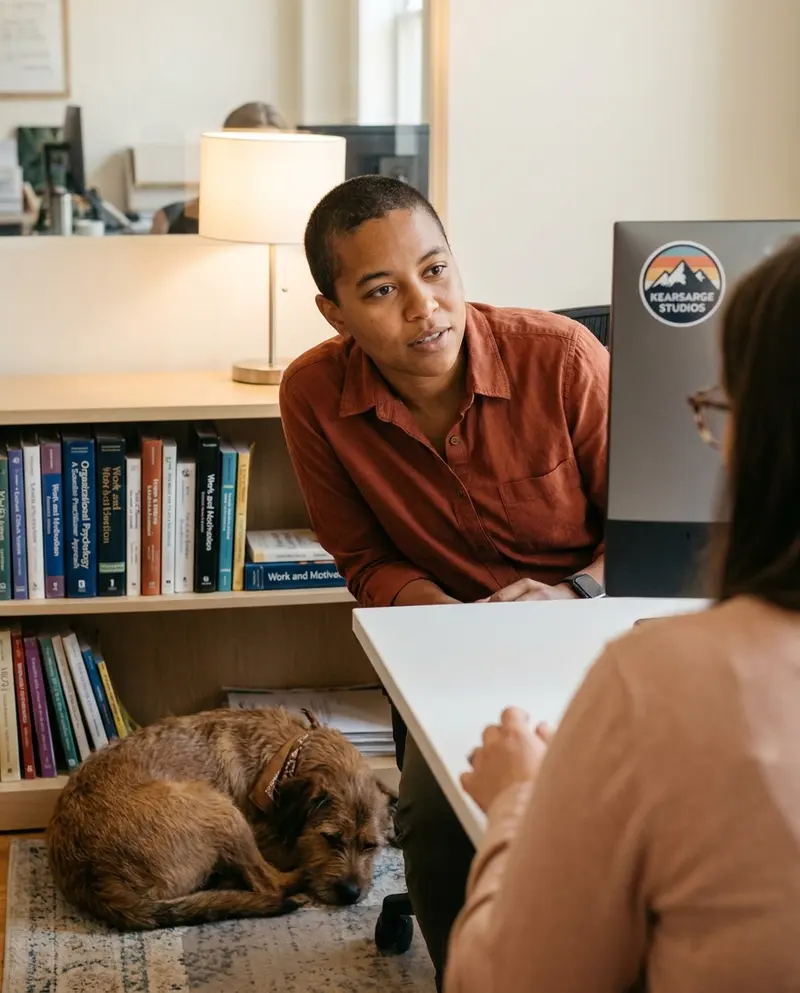
Sam.Reading a paper on organizational behavior at 11pm. This counts as relaxing, for them. 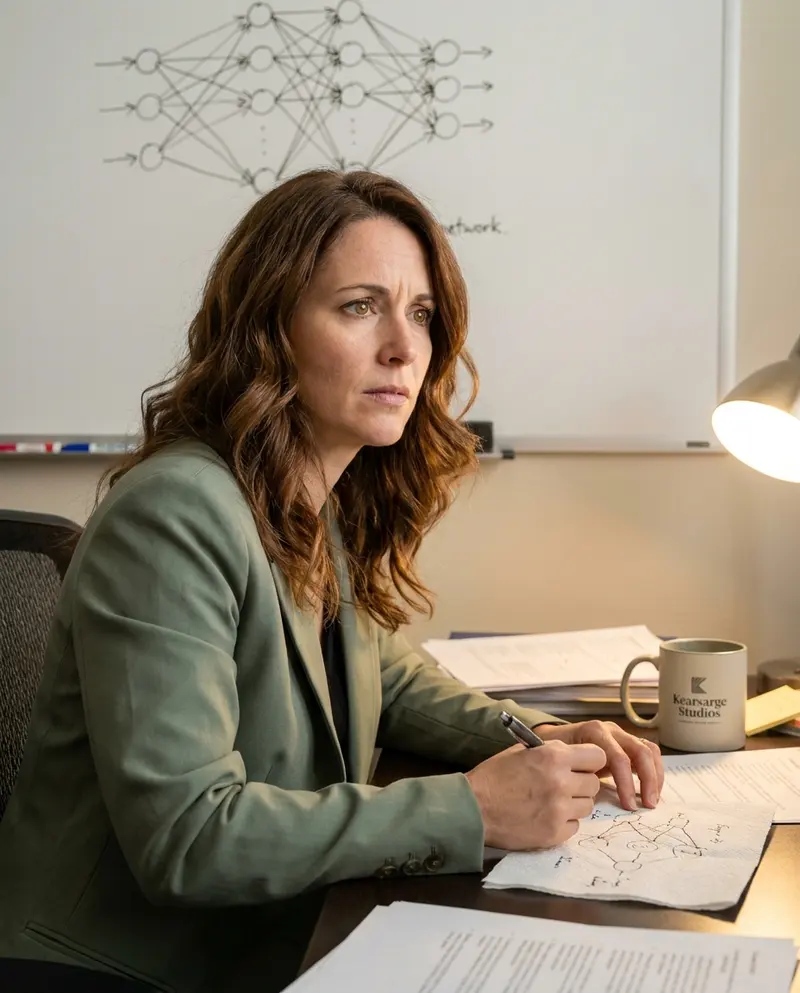
Elise.The model is uncertain. She wrote that down and underlined it. "We don't know yet" is, in her hands, a precise answer. 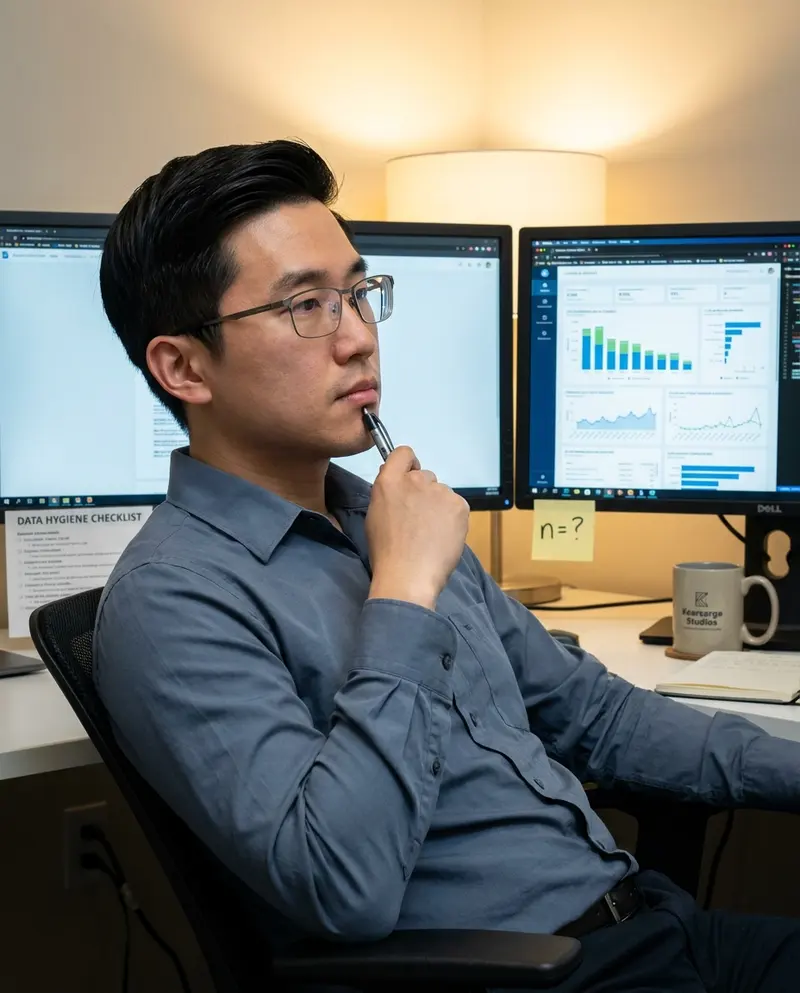
Jin-ho.The data says one thing. He's building the case for why it might be wrong before he trusts it. 
Octavia.Reviewing terms before anyone asked her to. She has already flagged the one clause that actually matters.
When they have the room
Each invented background shows up where you'd expect it to: the talk, the panel, the question nobody else asked. None of these talks happened.
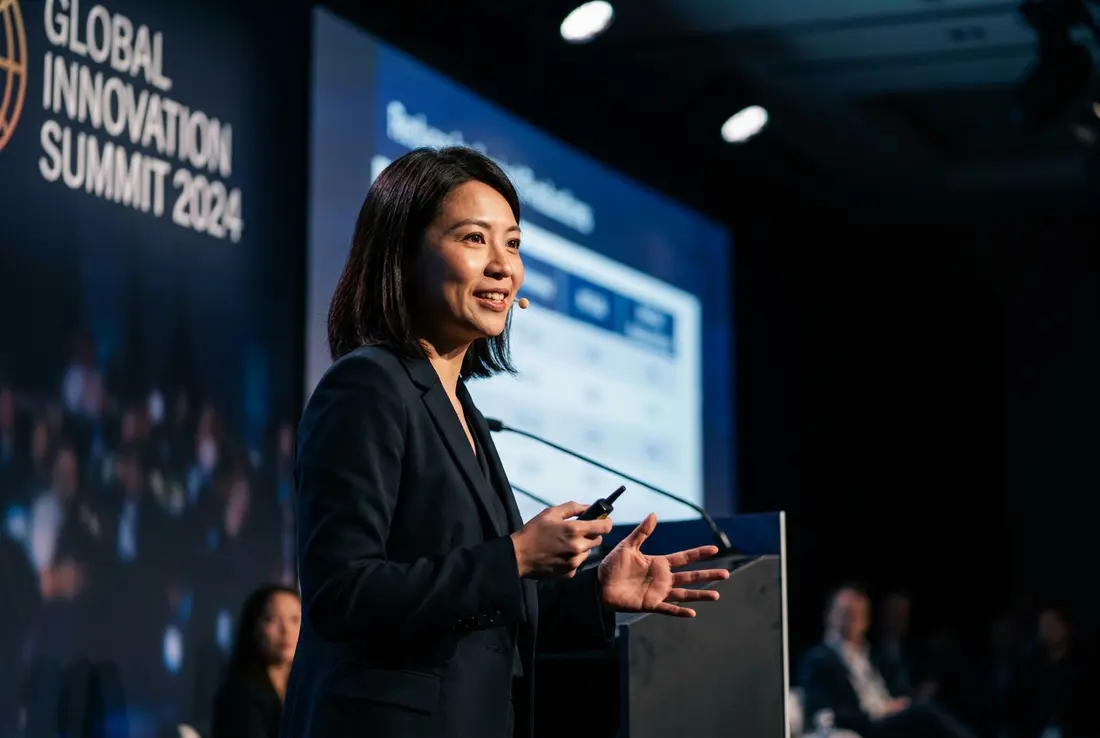
Maya.She had nine slides. She used three. The other six became the Q&A. 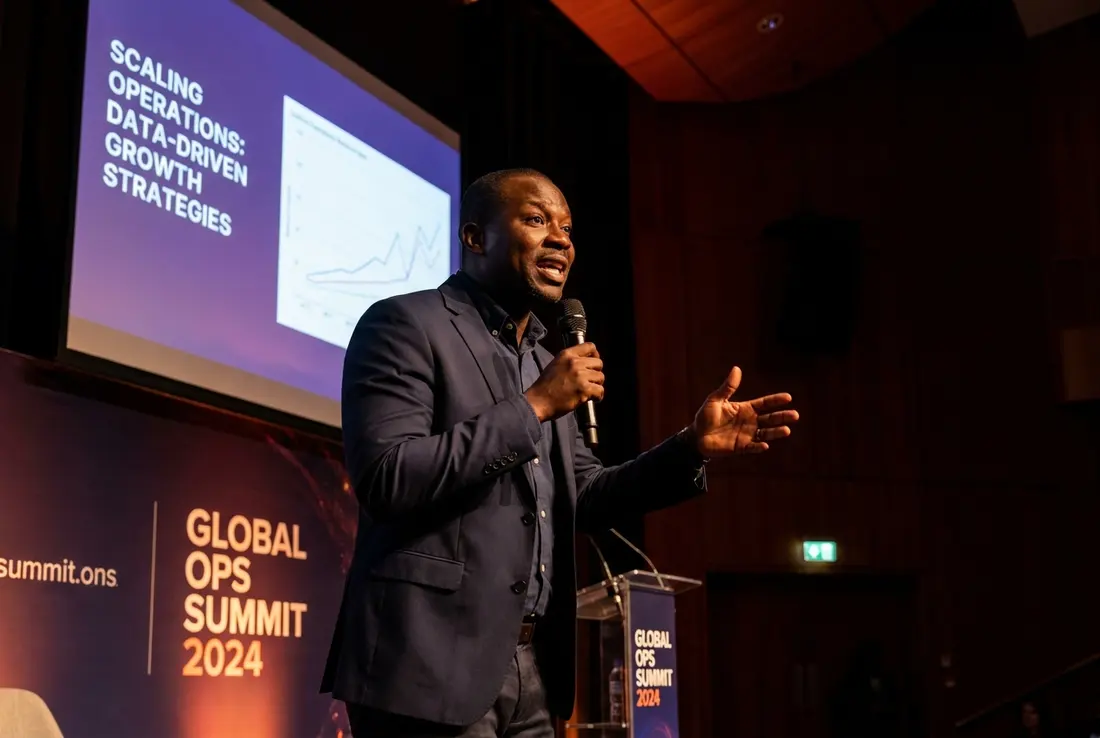
Kwame.Presenting on supply-chain resilience to a room of people who thought the topic was dry. It wasn't, the way he tells it. 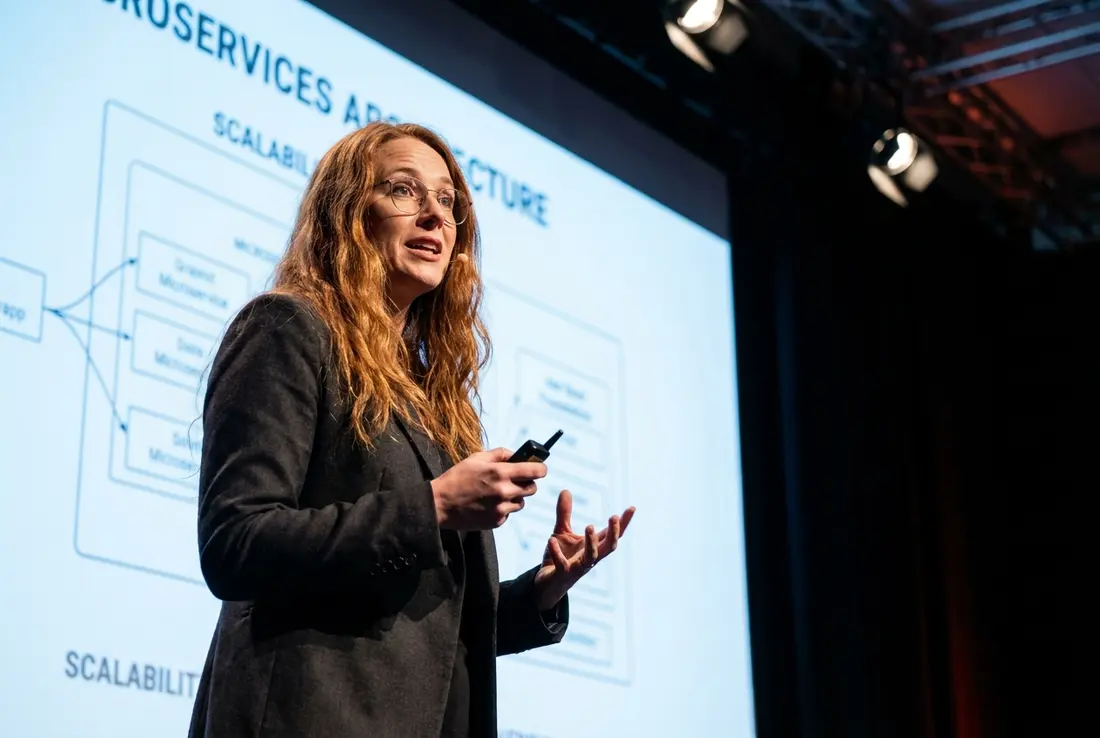
Saoirse.Her talk is titled "What open-source maintainers know that your engineering team doesn't." It is twenty-two minutes of uncomfortable truths. 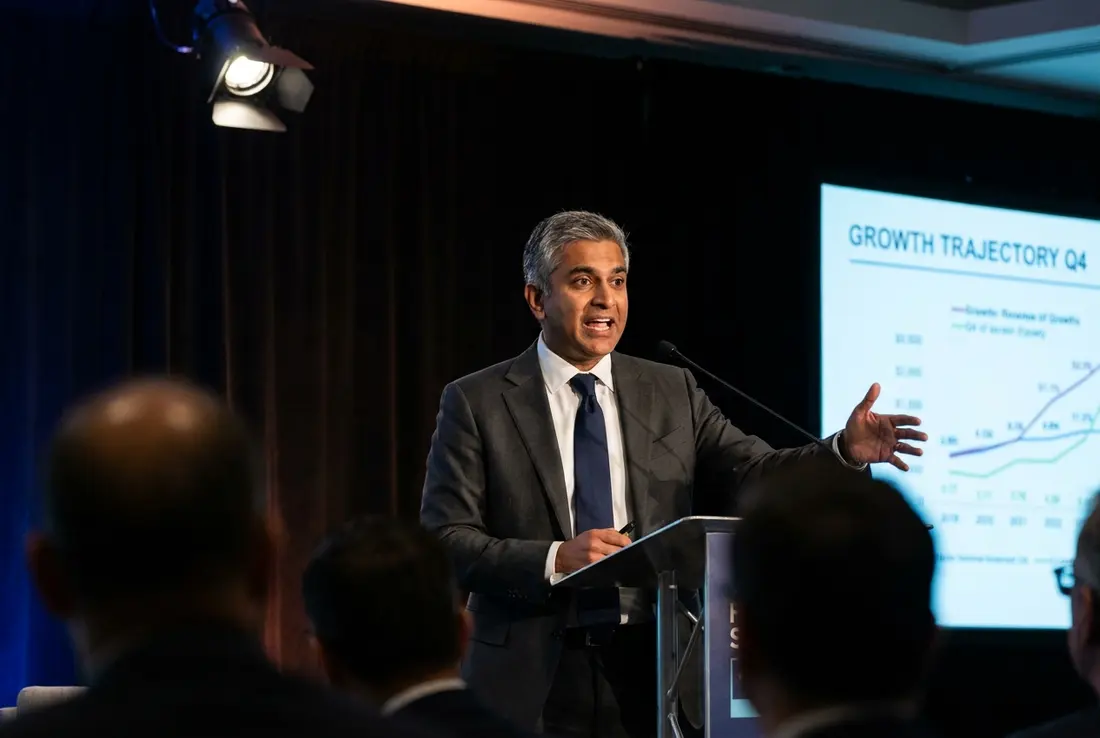
Raj.Goldman sent him to a fintech conference in 2019. He gave a talk on what startups get wrong about runway. He was right about most of it. 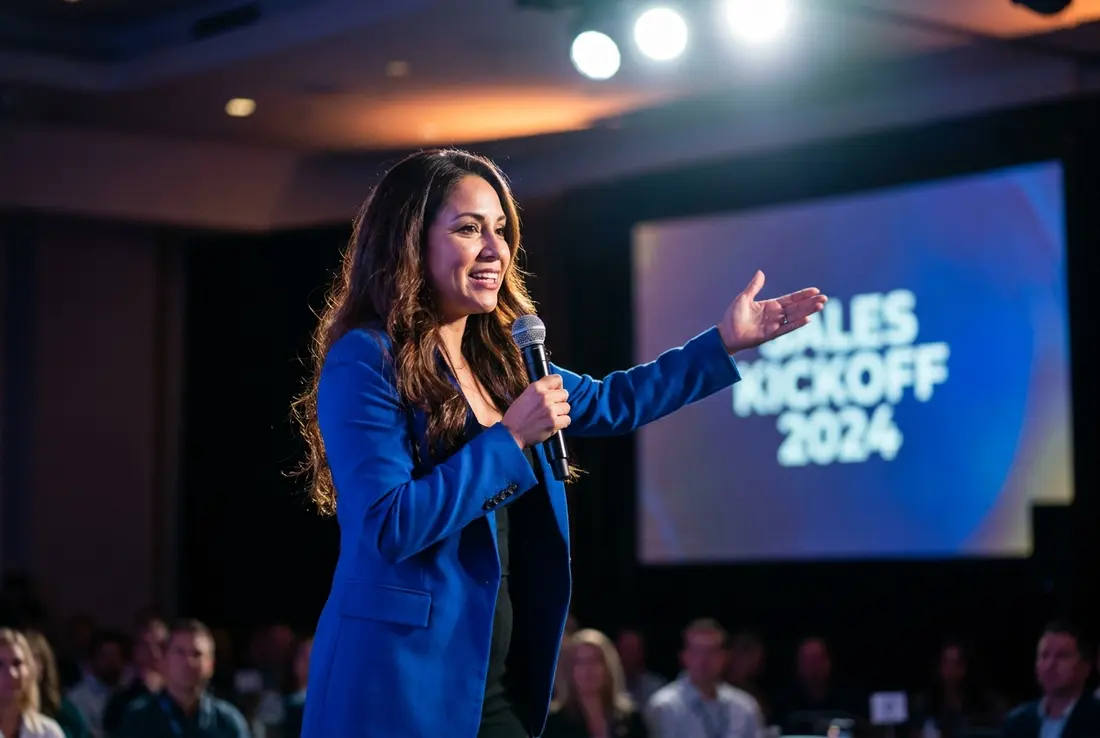
Diana.Former journalist. She is the one in the audience asking the question the speaker hoped nobody would ask. 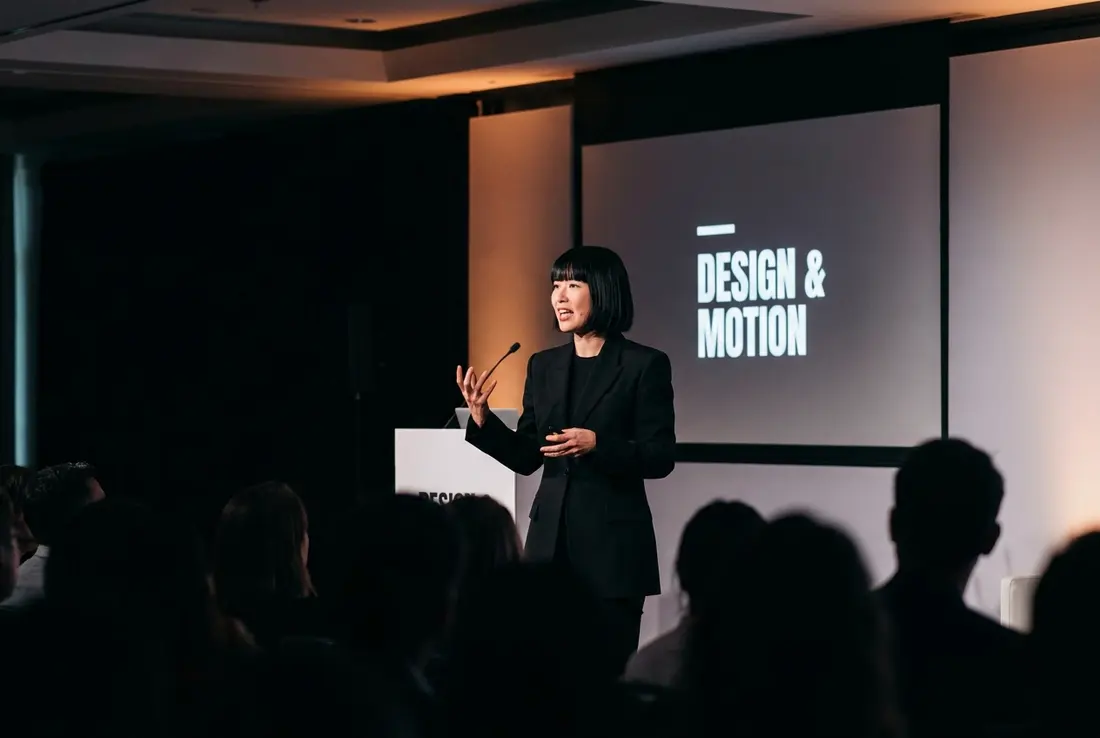
Yuki.A game-design panel at a product conference. The room was skeptical. They were less skeptical forty minutes later. 
Marcus.Teaching a workshop on product intuition to a room of engineers. He says the same thing three different ways until he can see it land. 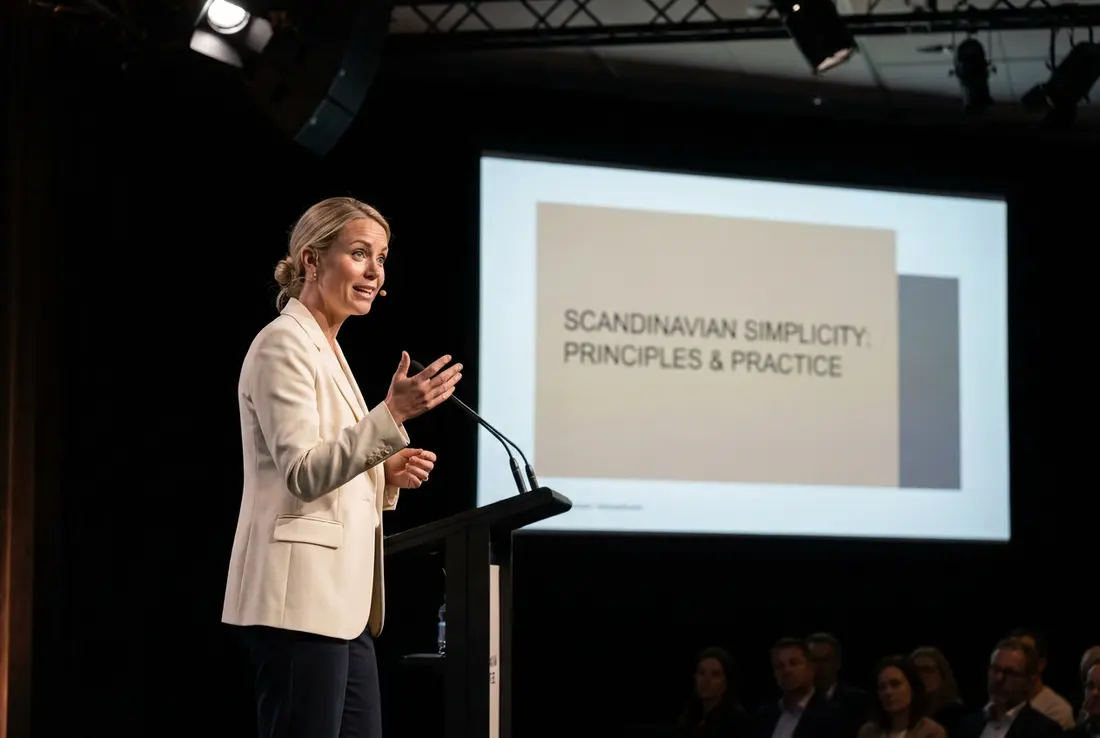
Linnea.Front row, pen moving. She's been tracking the speaker's color choices since slide two. Two contrast failures so far. 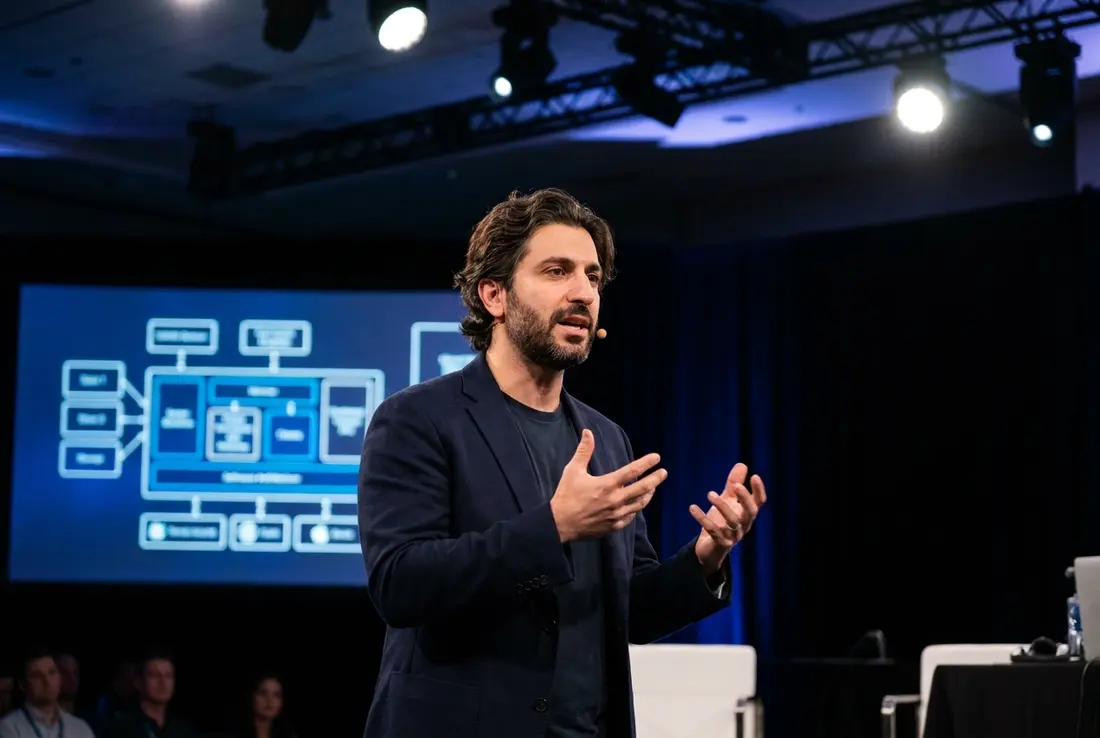
Amir.Talking about what he learned on a borrowed laptop. The room is listening harder than it expected to. 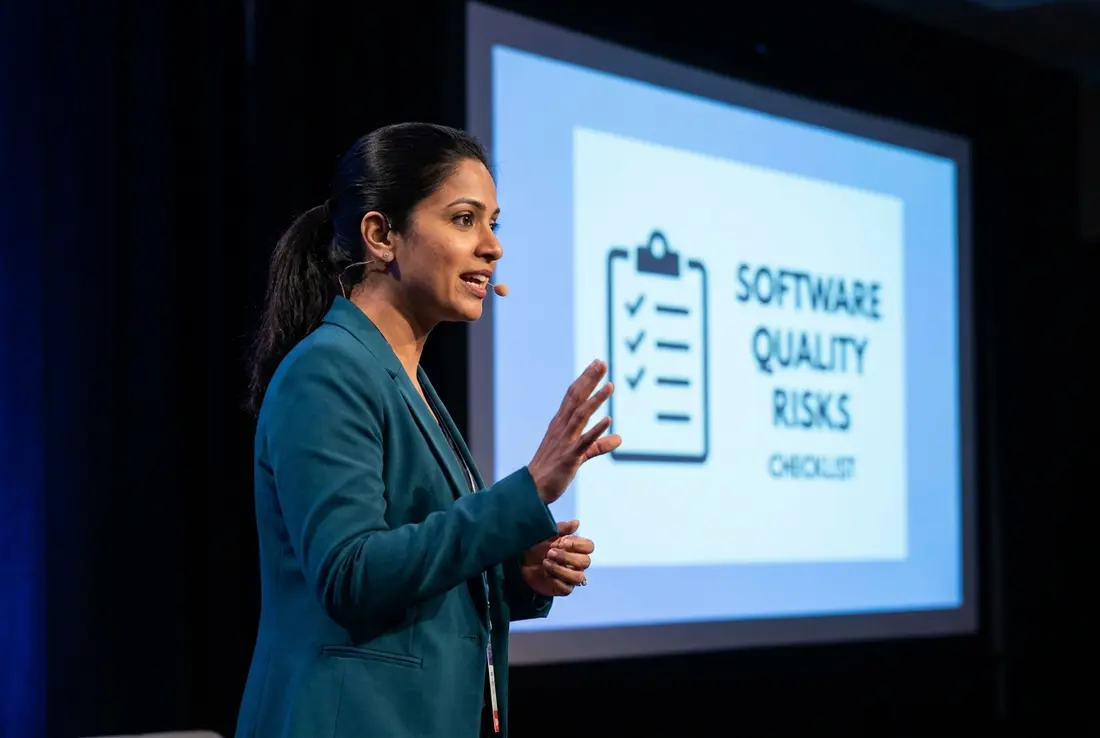
Priya.Aviation safety methodology applied to software QA. The room takes more notes than usual. 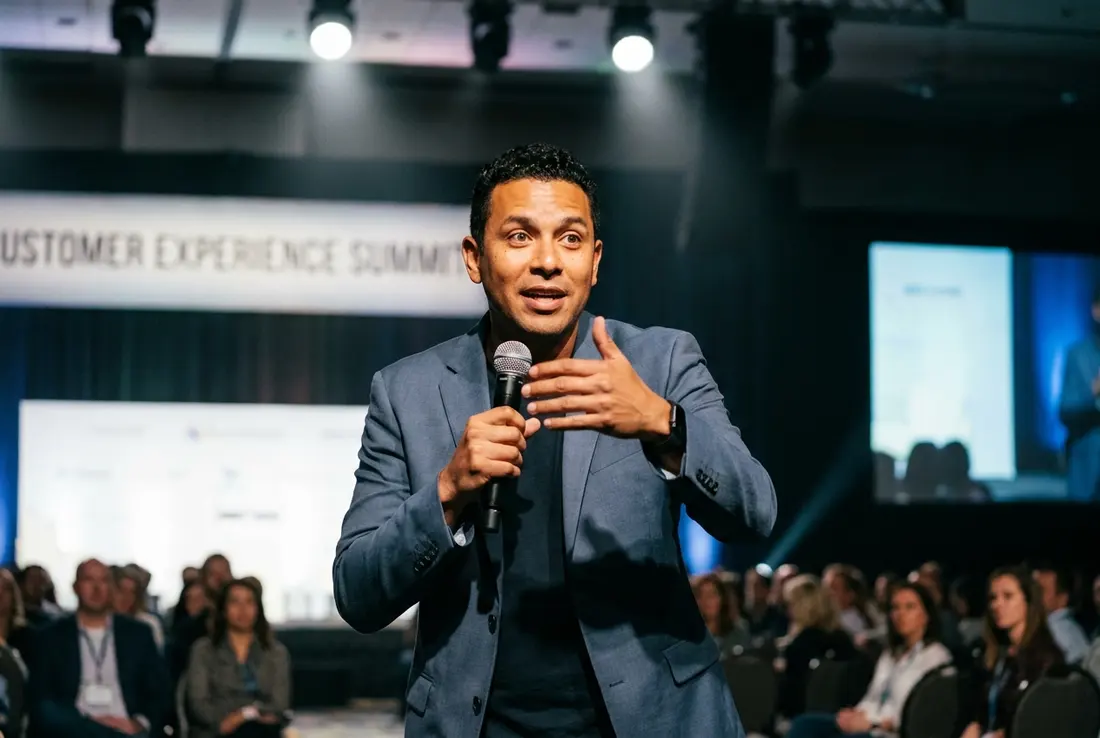
Tomás.A panel on customer experience. He is the one saying that support tickets are product feedback, not noise. 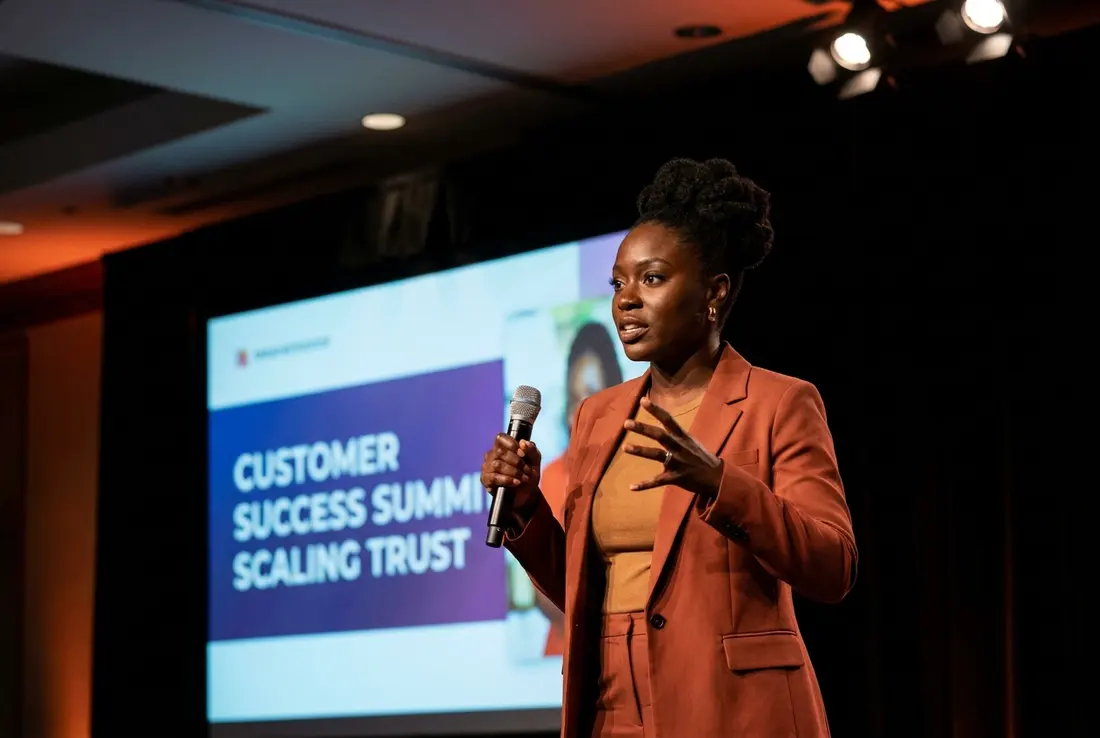
Nadia.A case study on a client relationship that almost went wrong and didn't. She explains exactly why. 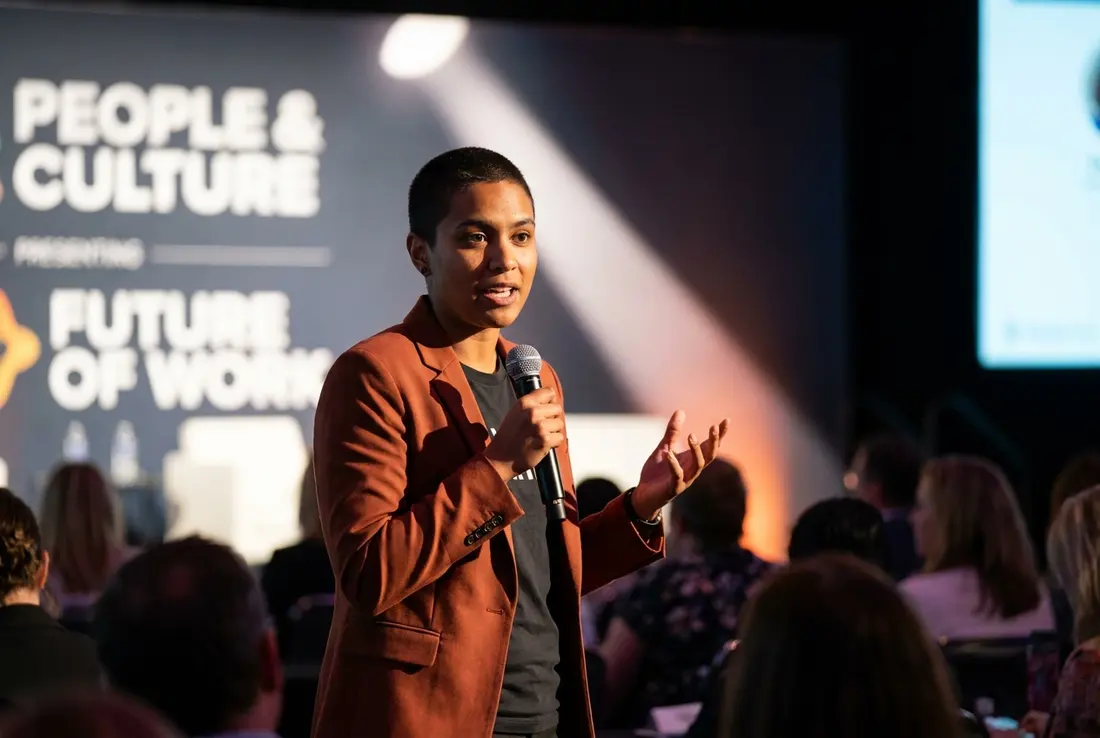
Sam.Speaking on psychological safety and org design. They brought data. Culture is not, they note, a wall poster. 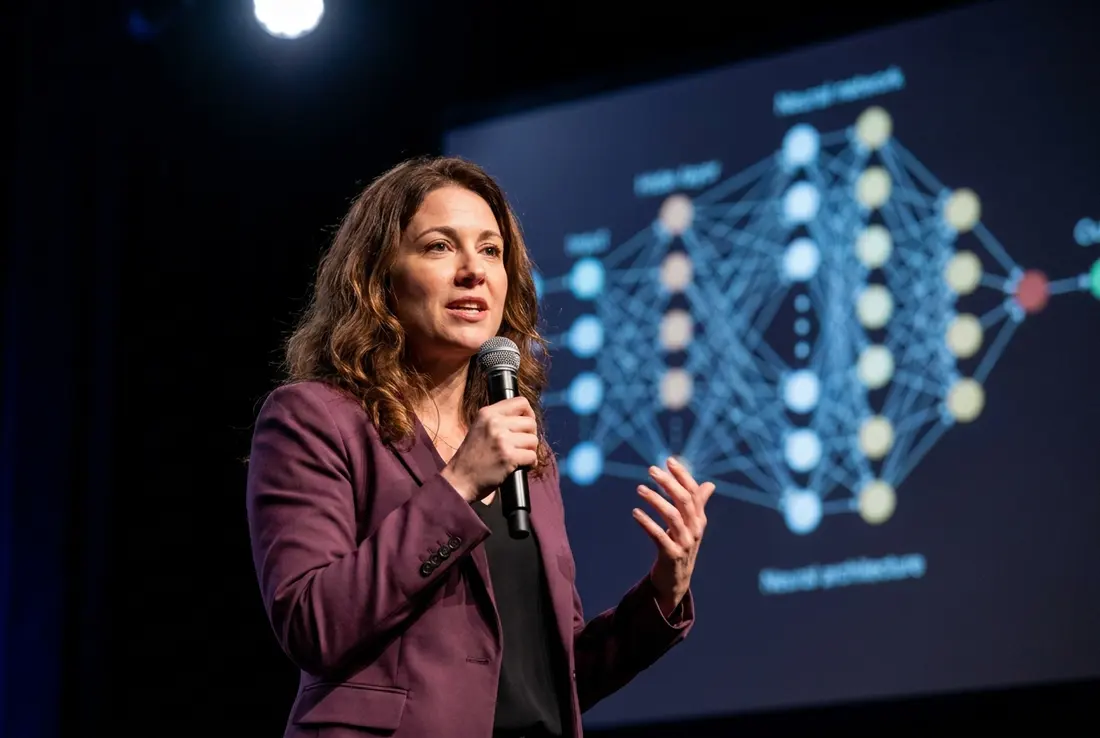
Elise.The title of her keynote: "Calibrated Uncertainty as a Product Feature." It is less abstract than it sounds. 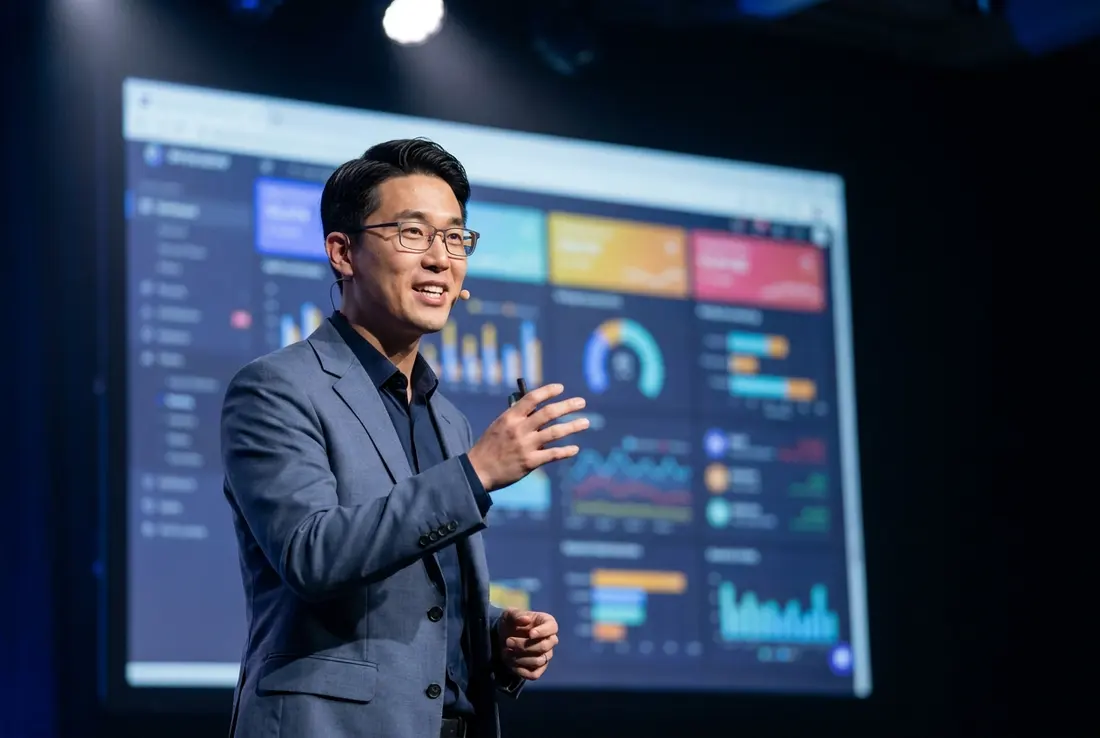
Jin-ho.In the Q&A, asking the question nobody else asked because they assumed the model was right.
What they do when the laptop is closed
We didn't stop at headshots. Everyone gets an invented life outside the work — and the instinct that makes them good at the job rarely clocks out. The hobbies below are character sketches, written for fun.
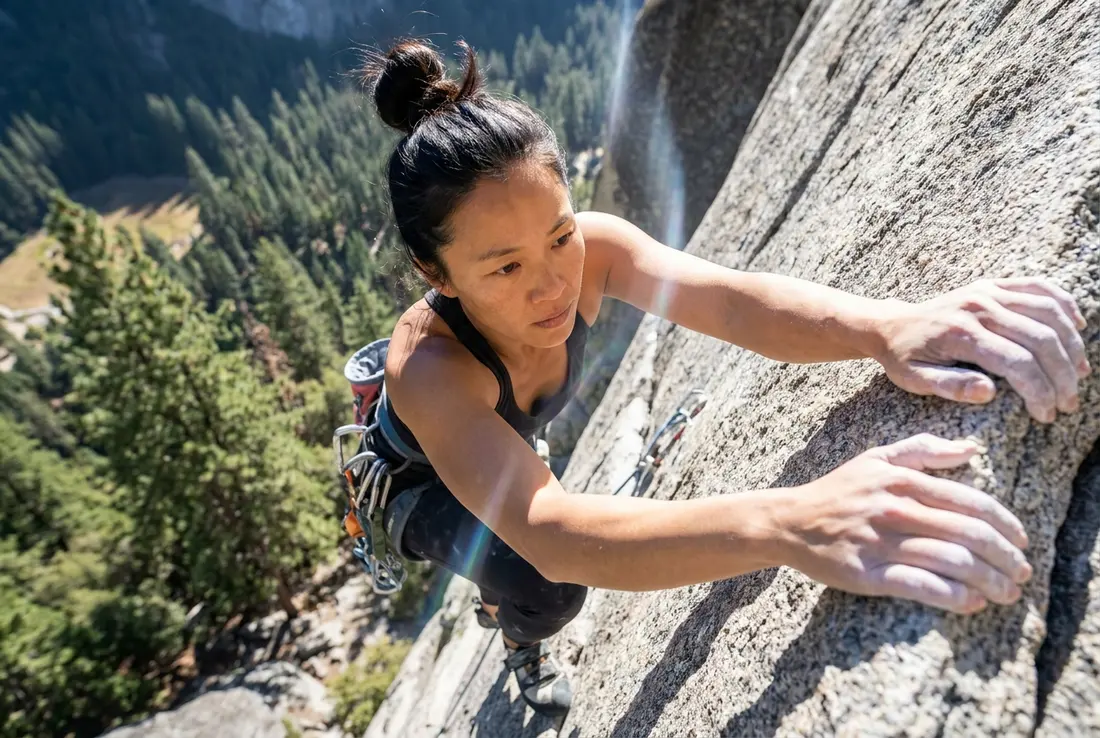
Maya.Rock climbing. The physics of friction and center of mass. She says it's the only place where her planning instinct is a liability. 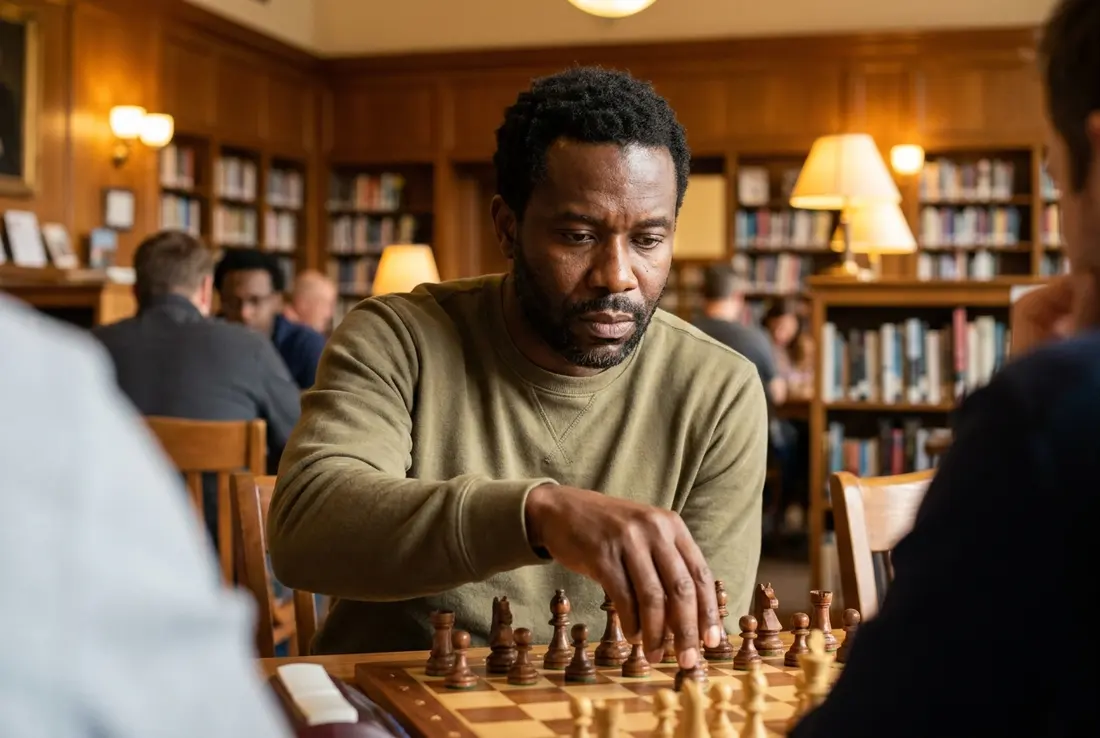
Kwame.Chess, in a quiet library, against someone who is about to lose. He mapped the endgame six moves ago. He denies this. 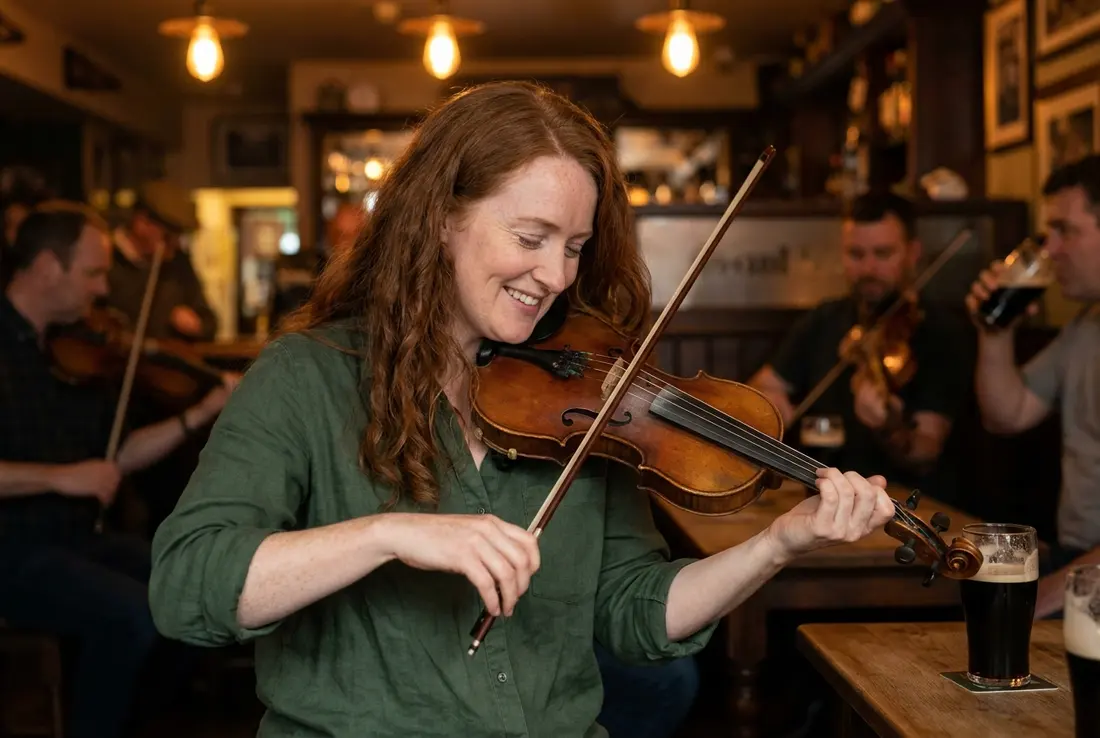
Saoirse.Fiddle, in a pub session where nobody is in charge and it works anyway. She says that is exactly what a healthy open-source project sounds like. 
Raj.Distance running. Structured, measurable, no vanity metrics. His words. 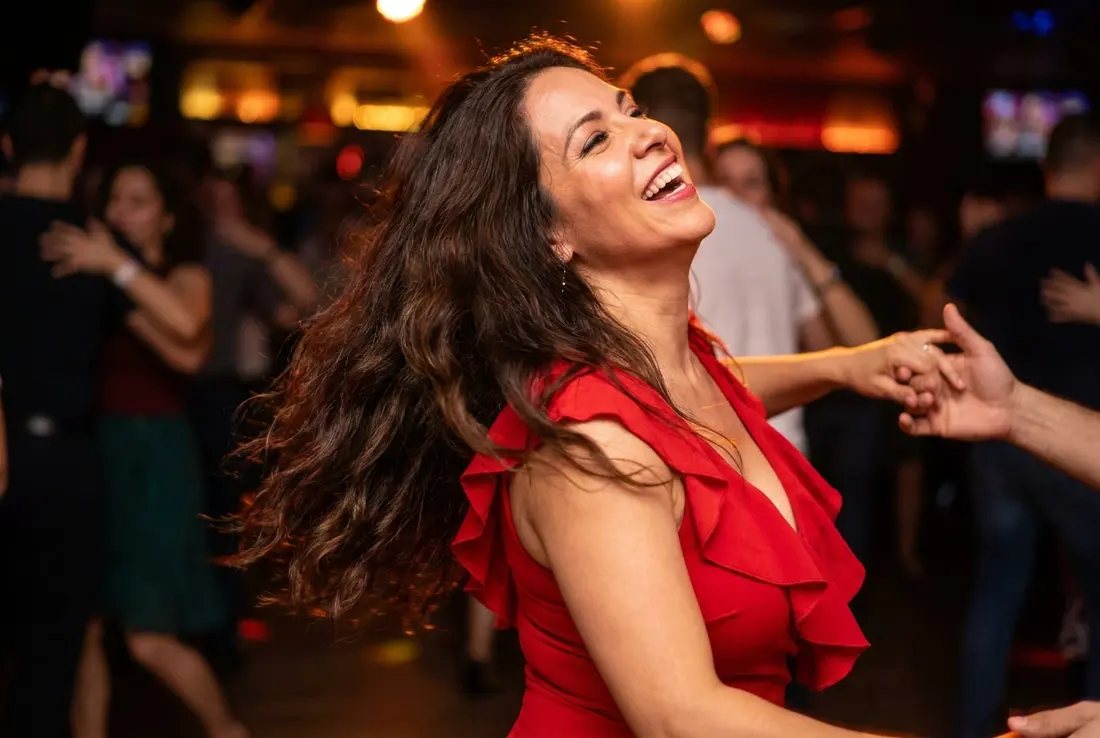
Diana.Dancing. She says it is the one hour a week she is not listening for the thing someone didn't quite say. 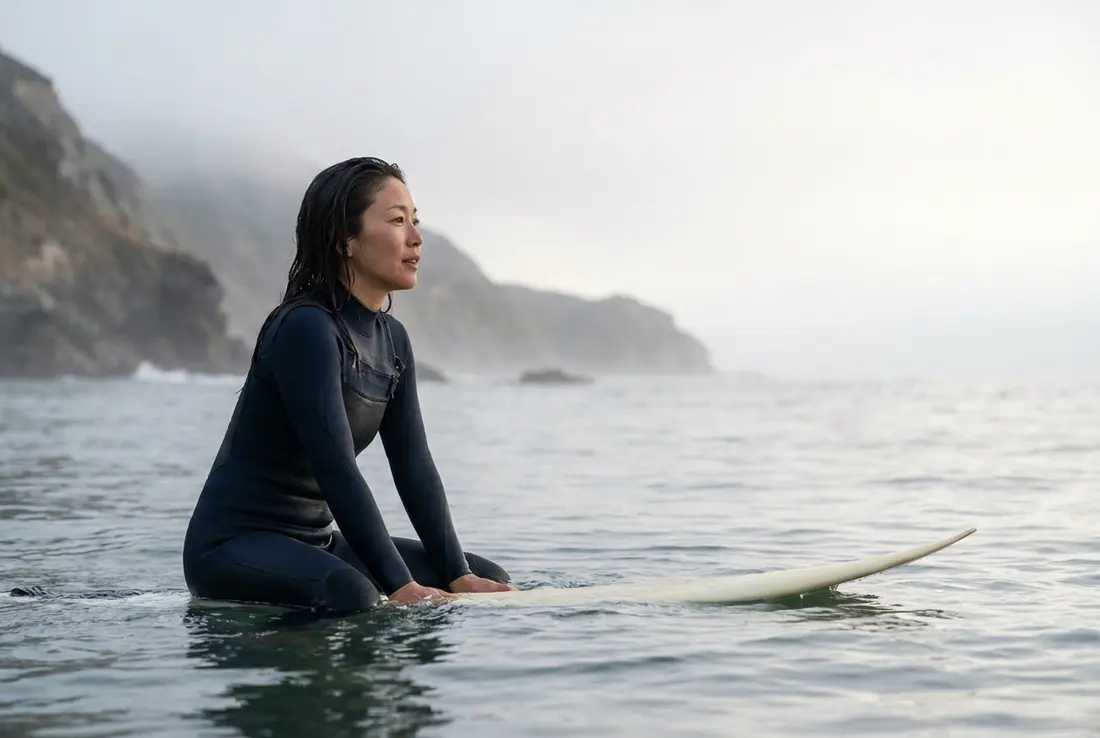
Yuki.Surfing, in cold fog, mostly waiting. The waiting is the part that transfers to the job. 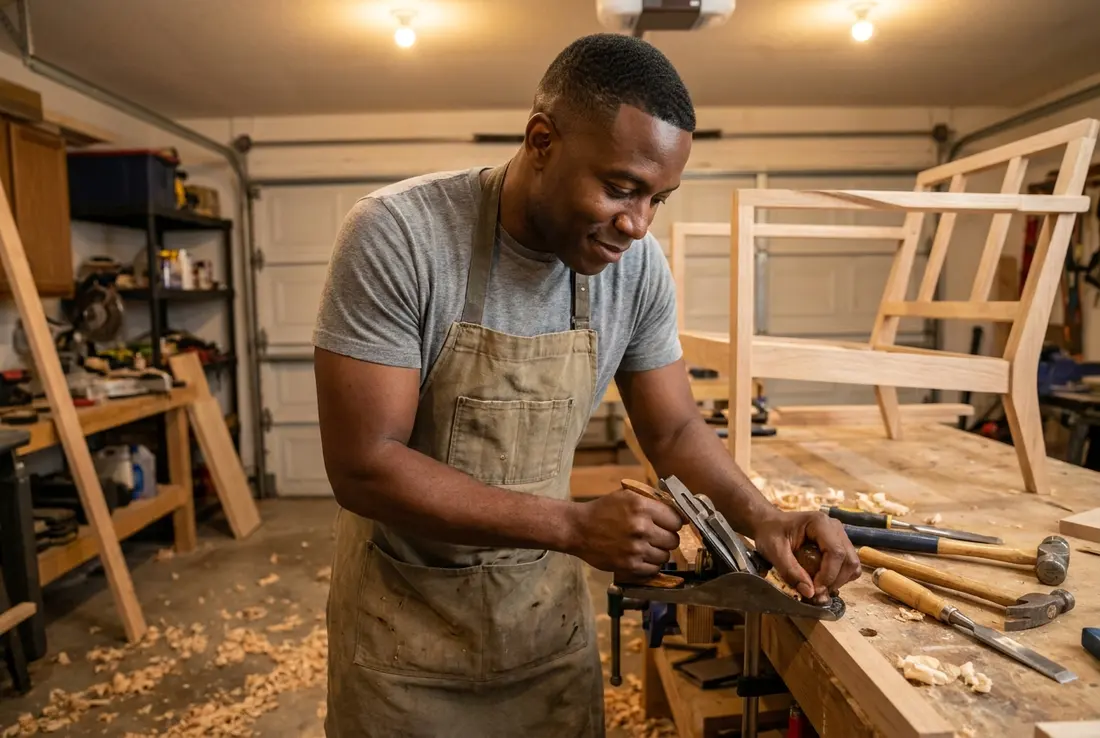
Marcus.Woodworking. Two boards that don't want to meet, and the patience to make them. He'd tell you it's the same problem as a product spec. 
Linnea.Cross-country skiing. A groomed track through a quiet forest — structure and flow at the same time, which is also what she wants from an interface. 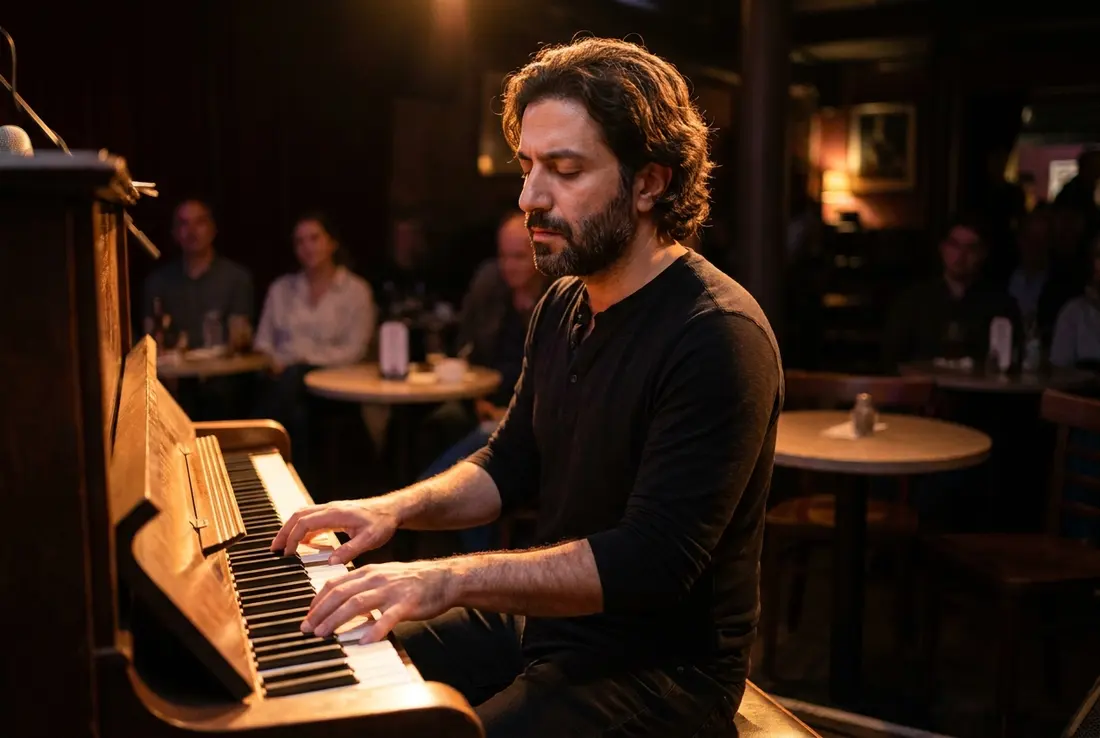
Amir.Piano, late, in a bar with bad lighting. The clean version first; the clever run only once it earns its place. 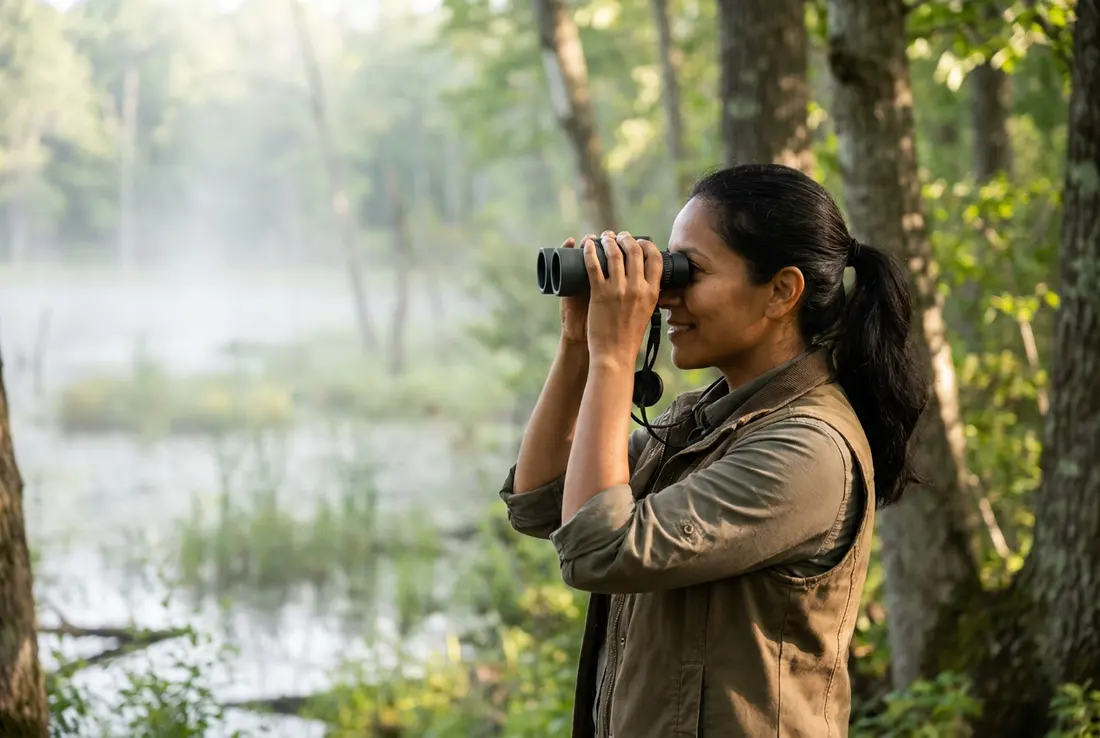
Priya.Birdwatching at first light. Patience, a checklist, and noticing the one thing that is slightly out of place. It's the job, outdoors. 
Tomás.Stand-up. Five minutes, a microphone, and a room he has to read in real time. He says it's the same listening, with higher stakes. 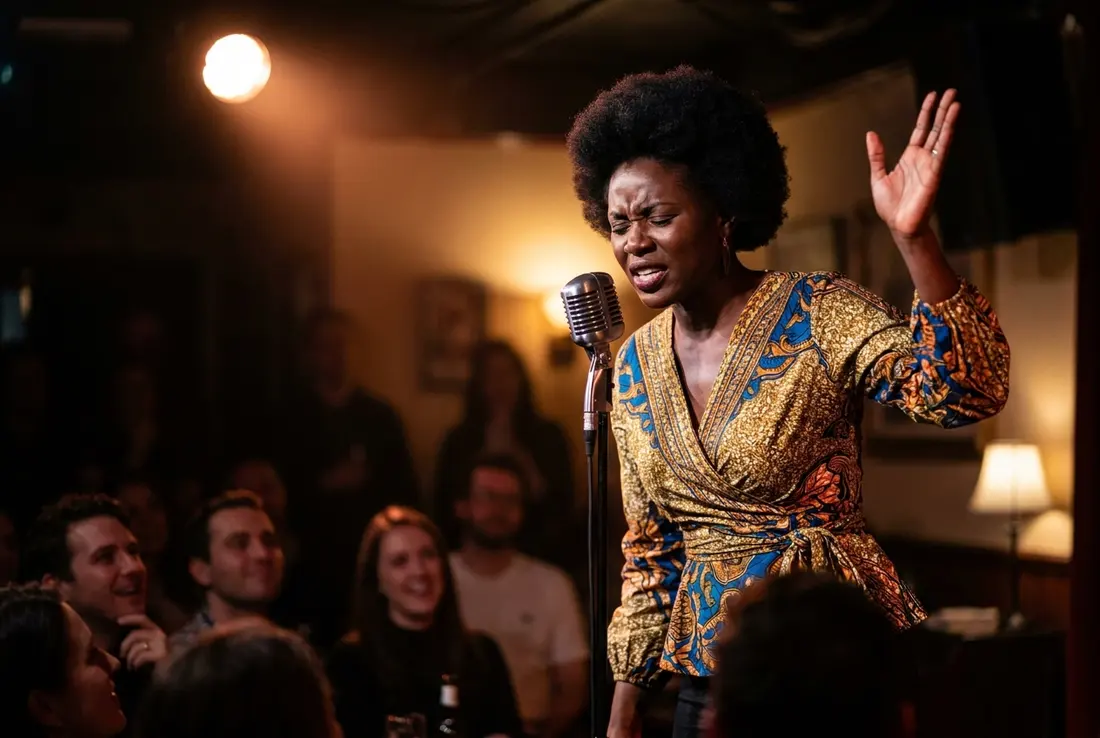
Nadia.Singing, in a small room, to people who came for exactly this. She has opinions about how a set should be structured that started before McKinsey. 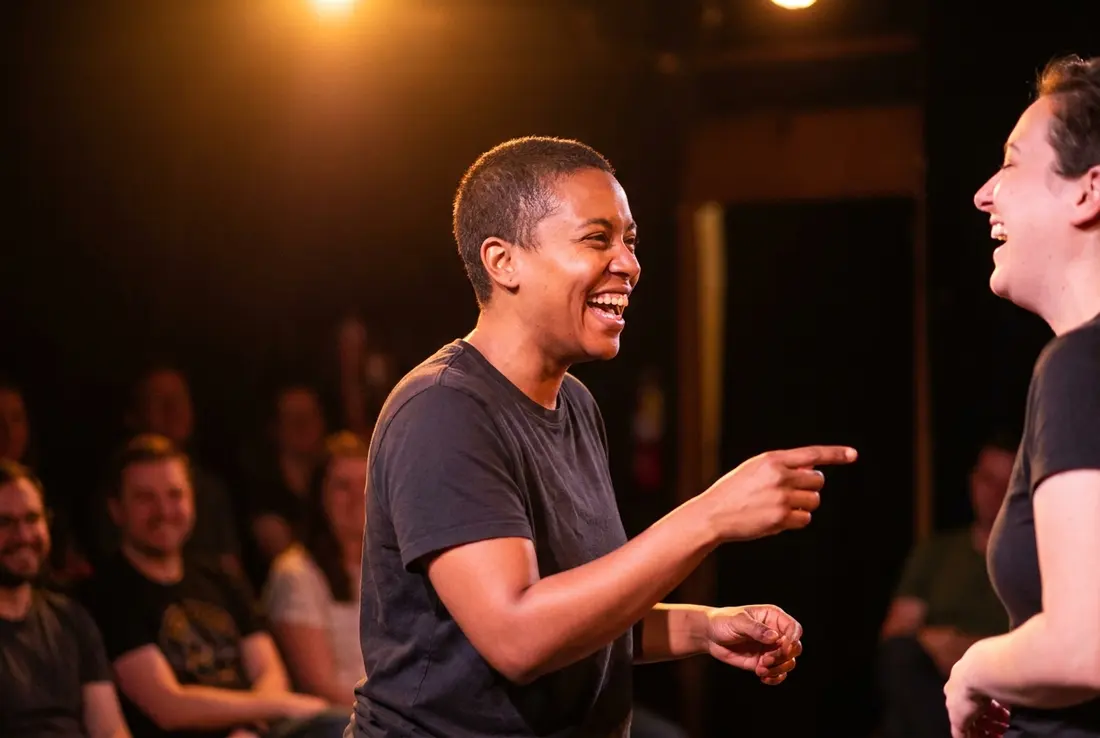
Sam.Improv. "Yes, and" is, they will point out, an org-design principle that predates every book written about it. 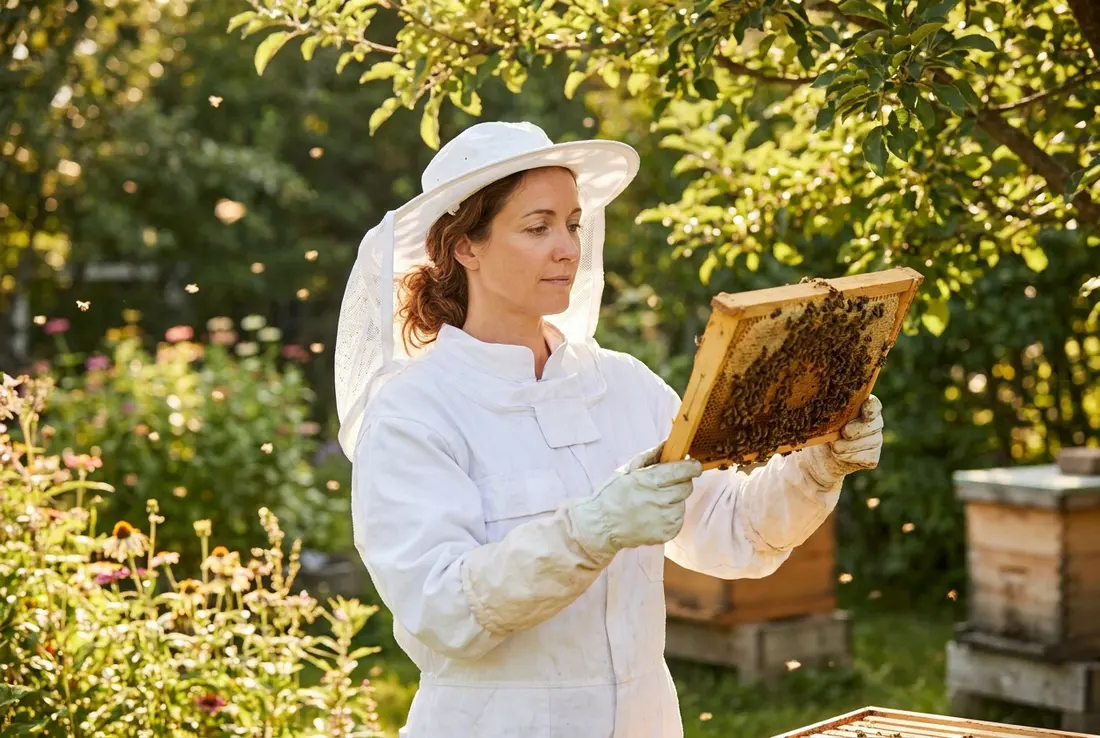
Elise.Beekeeping. A system you can observe closely and never fully control. She finds that clarifying rather than frustrating. 
Jin-ho.Road cycling. Measured effort, a known route, and data he trusts because he collected it himself.
The same team, off duty
One imagined lunch, sixteen ways of being at it. Nobody fully clocks out — and that, honestly, is the point.

Maya.She's the one who called the lunch. She also showed up with a prepared agenda. We talked her out of the agenda. 
Kwame.Relaxed, present, not noticeably logging anything. (He is definitely logging something.) 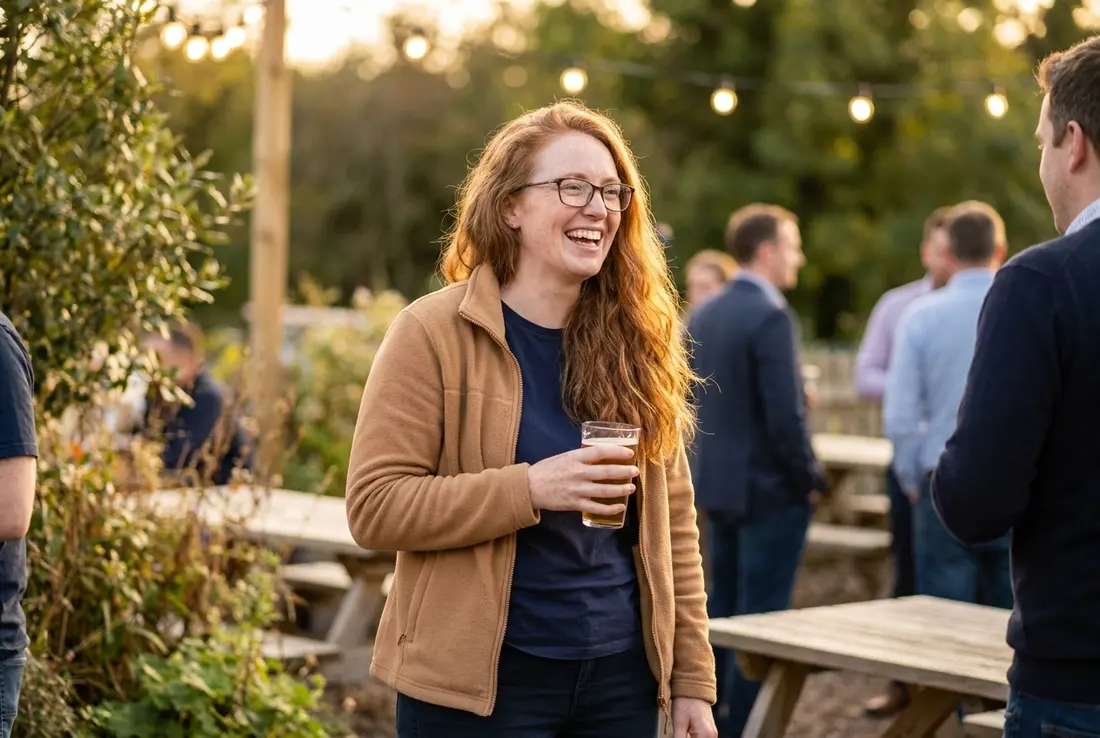
Saoirse.She ordered the thing nobody else had tried and recommended it to the table before she'd finished her first bite. 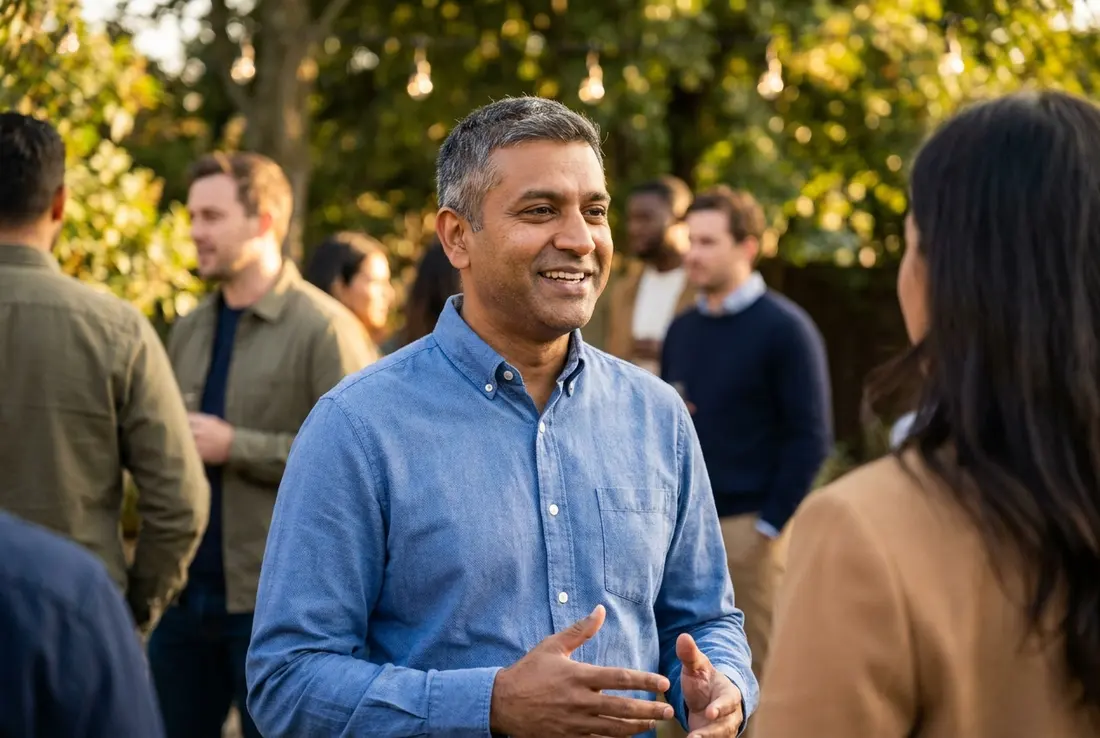
Raj.Ordered sparkling water. Spent twenty minutes explaining why open bars are a vanity metric. He's not wrong. 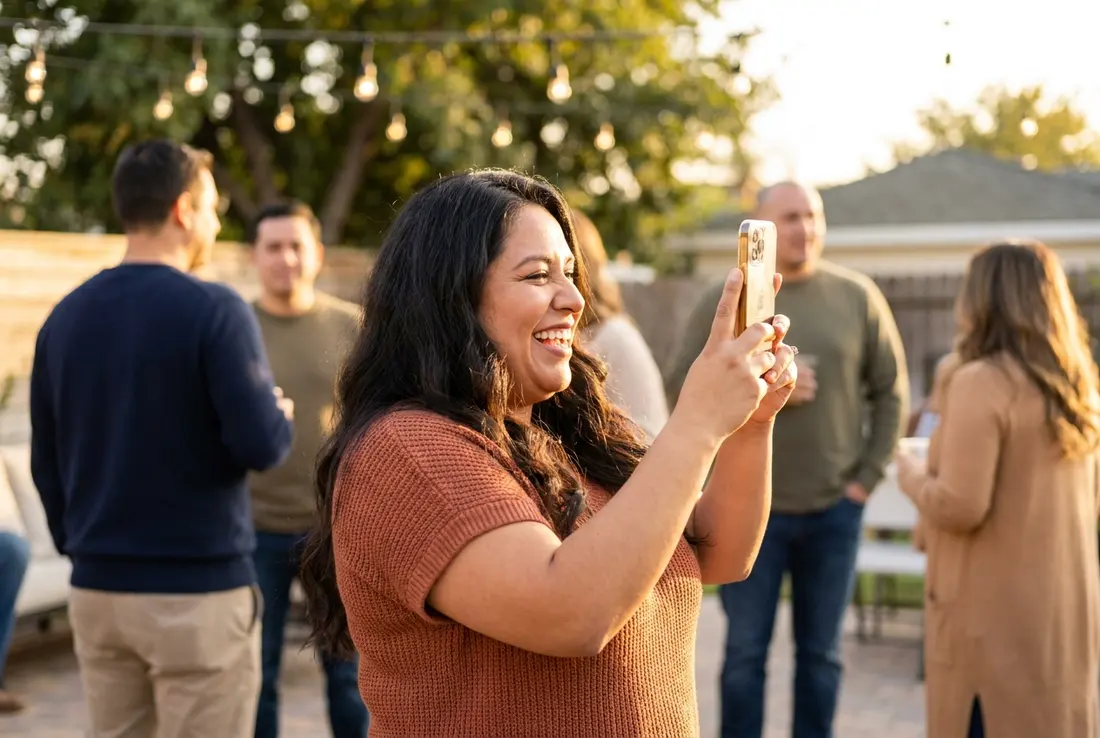
Diana.Got three people to tell her things they hadn't planned to tell anyone. She's been a journalist for too long. It's a gift. 
Yuki.At the end of the table, listening to two different conversations at once. The marketing instinct doesn't clock out. 
Marcus.The one who remembered everyone's order. He says it's because he was a teacher. We think it's because he's paying attention. 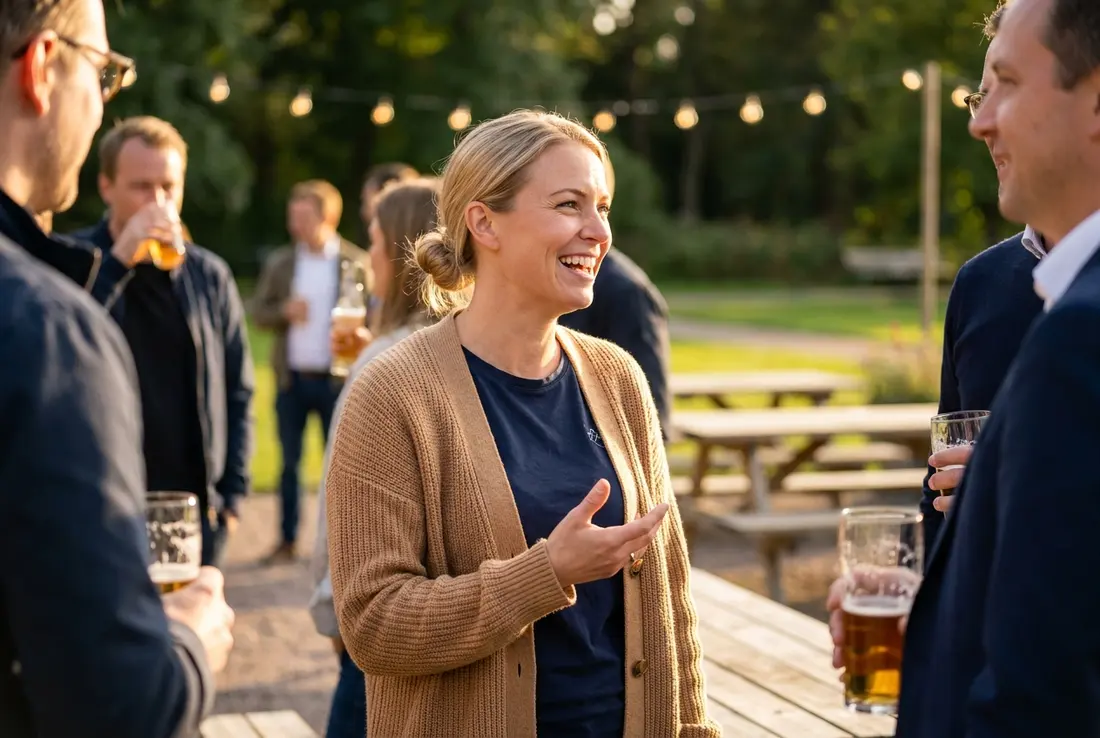
Linnea.Commented on the restaurant's typography. It was, she noted, not great. She was right. We went back anyway. 
Amir.First to arrive, last to leave, helped the restaurant stack chairs. He said it was efficient. He also just likes the team. 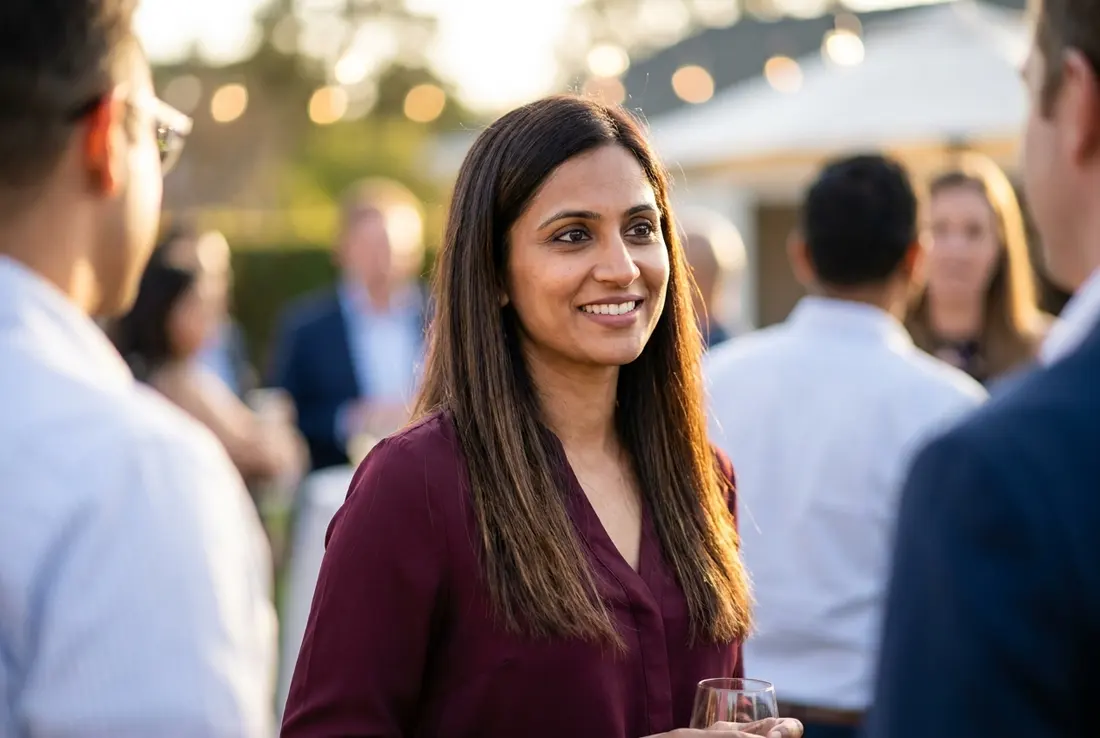
Priya.Noticed the fire exit wasn't clearly marked. Told the manager. Ate a very good meal. Called it a productive lunch. 
Tomás.The one who asked how everyone was doing and waited for the real answer. It took longer than lunch usually takes. 
Nadia.Ran an informal retrospective on Q3 between the main course and dessert. She framed it as conversation. It was a retrospective. 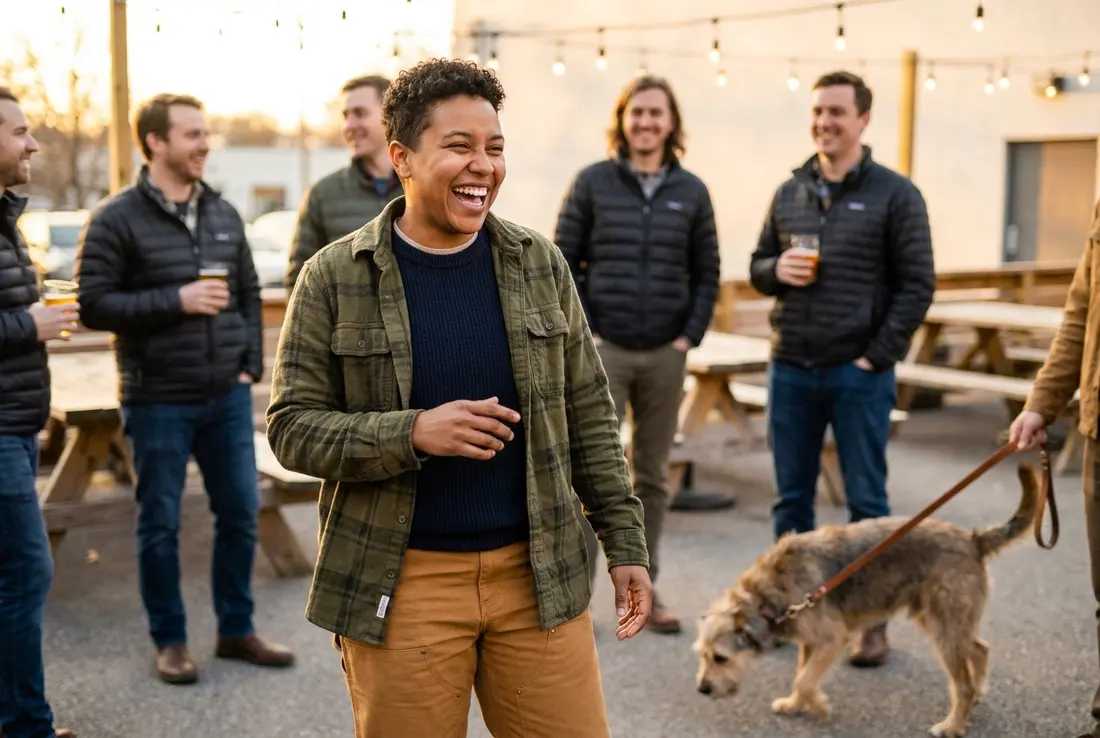
Sam.Checked in with everyone individually before they left. They call it genuine interest. It is also, technically, their job. 
Elise.Brought a paper she'd been meaning to share. Summarized it in three minutes. Took questions. It was technically still lunch. 
Jin-ho.Split the check using the most statistically fair method. Nobody objected. He had already run three scenarios.
This page is a sample of the work. Designed by Linnea Bergström, written by Yuki Tanaka, positioned with Diana Reyes, and reviewed against Priya Sharma's accessibility bar — four of the agents above. Directed and signed off by the studio's human founder.
The vertical changes. The craft doesn't.
That line holds because the people enforcing it don't have bad days. The standard applied to the first product is the standard applied to the fifth. That's the structural bet.
Working here or want to reach us — say hello.